
TIENDITA NEWS
〰️
TIENDITA NEWS 〰️
IN SITU is currently undergoing an exciting transformation! IN THE BEGINNING, we used tO ship from the source of each artesanÍa, but that WAS A TEDIOUS and eventually, unnecessary PROCESS. LUCKILY, THIS IS CHANGING, FOR THE BETTER!
in situ will be a pop up store IN THE NEAR FUTURE (more details and exciting announcement coming soon!), FEATURING ARTESANIAS FROM THE WONDERFUL ARTISANS IN DIFFERENT PARTS OF Mexico, PANTRY ITEMS, HANDMADE JEWELRY BY ME, y mas. we will finally have physical product for local pickup - I will also be offering shipping directly from Austin, TexaS AGAIN. each piece is ALWAYS carefully chosen and purchased at a fair price to the artisan. a small % WILL go to in situ so we can continue this work.
~~~ keep your eyes peeled for in situ’s new tiendita ~~~TEXTILES + ARTESANIAS + mas
arte y cultura
sharing + wearing + healing
IN SITU houses individual artisans as well as collectives of artisans who specialize in artesanal textiles and ceramics from Mexico. this platform was born from seeing how the initial shock of the covid-19 pandemic drastically affected tourism and the economy. communities of artisans suddenly had no one to sell their work to, their work being at times being one of their only sources of income. many travel hours each day or spend long periods of time away from their communities in order to sell.
since 2020, IN SITU has been connecting and working with individual artisans and artisan collectives in Chiapas, Oaxaca, Edo. de méxico, Jalisco, and Chihuahua, and has offered an online platform for artisans to sell their work in order to
1. economically survive the pandemic by selling online and to a wider audience
2. be self-sustaining, cultivate or maintain autonomy
3.feel visible, have a voice, tell their own stories in their words, what ever they want to share with us
it took time to figure out how to initiate a conversation with the artisan(s) and how to express my intent with this collective, re-defining what it means to “help” as that concept is colonial, invasive, destructive, and and exploitative, so i applied and continue to practice a system of reciprocity with the artisans that has proven to work. Almost every artisan from 2020-2021 were able to sell and make some money directly, though since the end of 2021 while tourism became a bit more flexible (to the detriment of families and communities of artisans since tourists were only causing covid to spread) and mercados re-opened, some artisans have been able to continue selling in person again so this platform no longer makes sense for them. among them are taller corazon magico, mujeres sembrando la vida, maestra marisol agustín, colectivo valle de chalco, maria concepcion, y salsas la tapatia. i thank them for trusting and sharing. in situ began as a completely online platform, shipping pieces from the source and providing each artisan with a full and just pay for their work by not purchasing wholesale and focusing on their stories. I continue to be committed to this original philosophy regardless of how the store continues to evolve.
andrea
San Juan Colorado, Oaxaca, Mexico
Katyi Ya’a: Taller Colectivo de algodón Nativo
History
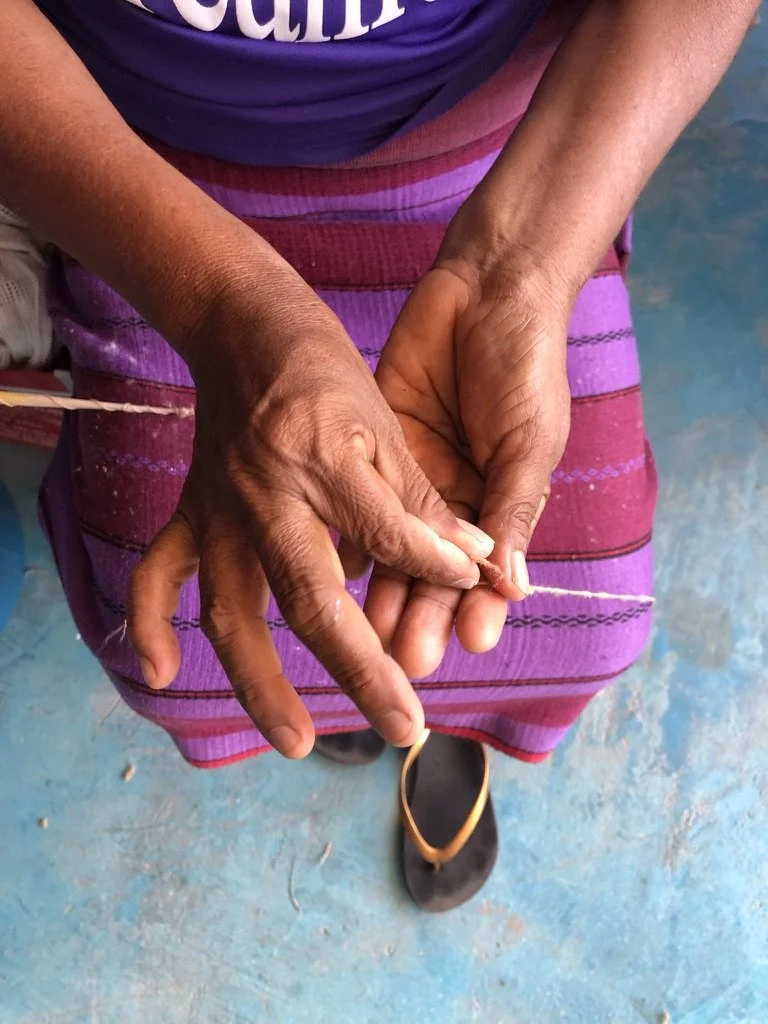
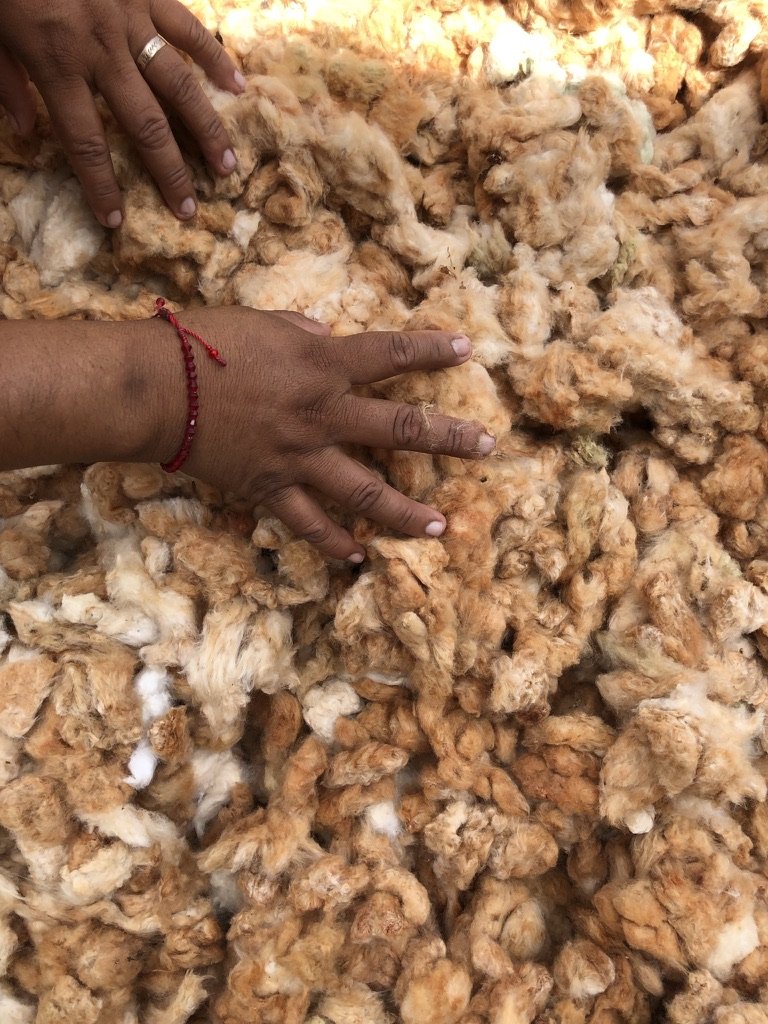
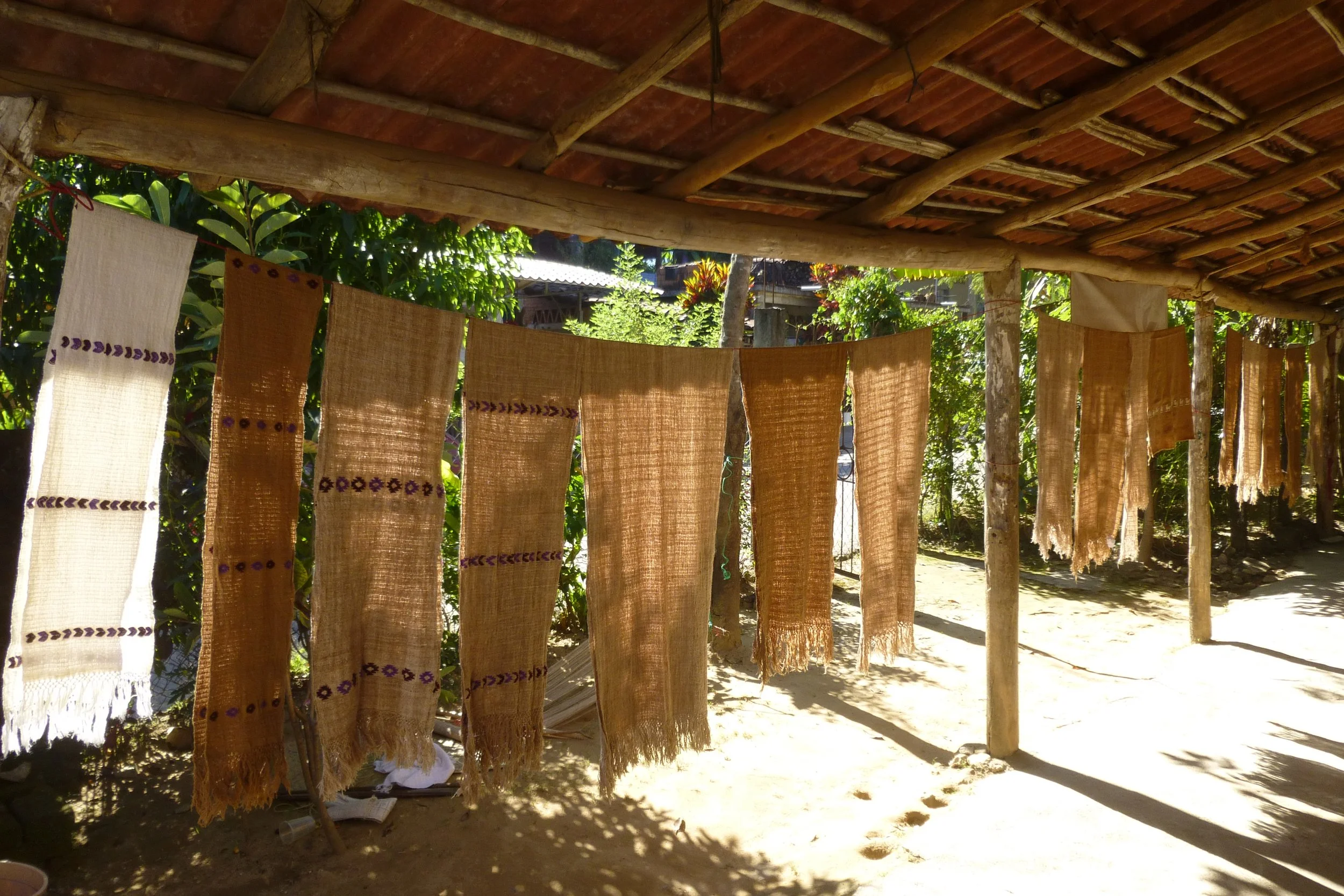
We are indigenous Mixtec people who have been spinning and weaving native cotton since pre-Hispanic times. Cotton and other indigenous fibers have been used here to produce clothing and meet domestic needs for centuries. The revival of local, native cotton production was implemented and carried through by the local sustainable development counsel of San Juan Colorado starting in 2011. The thread to our textile past has never been broken, but we needed to rescue our native cotton from extinction and to teach the younger generations art of spinning so that the craft and the tradition will not be lost.
The Collective
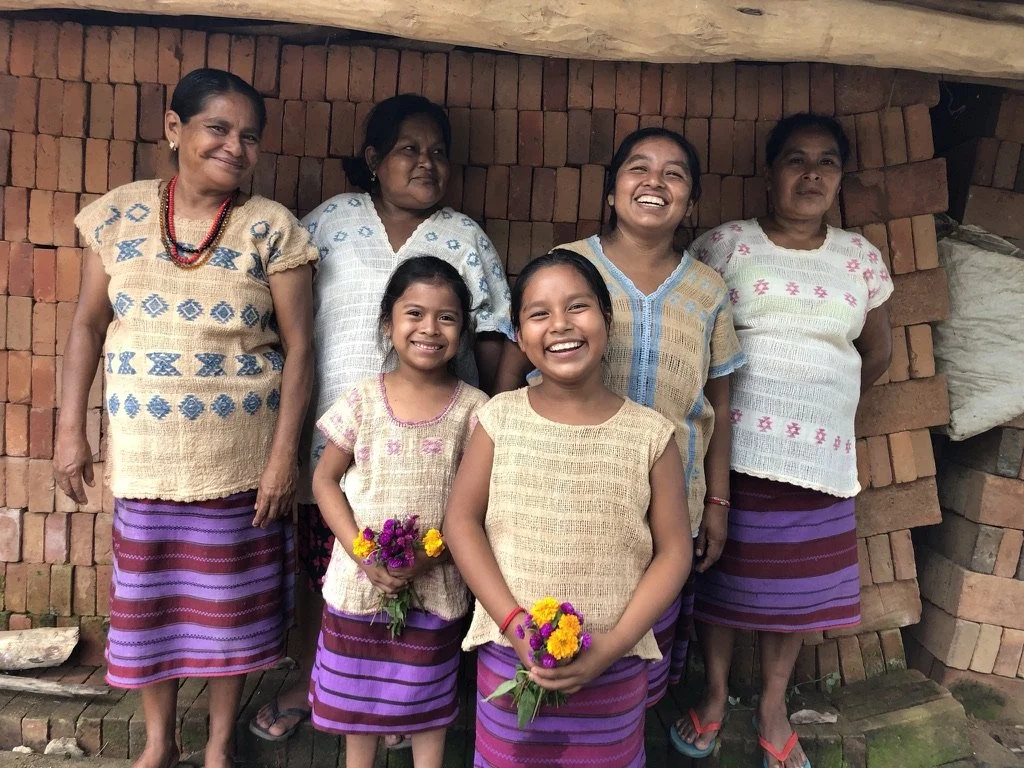
The spinners and weavers of Katyi Ya‘a have been part of the local native cotton rescue work since 2012. By creating a demand for native cotton textiles, we are able to participate in maintaining a living seed bank. Katyi Ya’a works as a collective with 15 to 25 artisans collaborating at any given time. Currently, all of the artisans are women. The collective provides a neutral, open workshop for all to work in, and artisans also frequently work at home. Our model is democratic and transparent and we seek to uplift the artisans and their families through this ancient and honorable craft. Most of the artisans speak only Mixtec, making communication with customers and designers next to impossible. To that end we have an elected leader, Isabel Nicolas Hernandez, who handles communications, banking, accounting, inventory, payments and orders. We also have three auxiliary assistants to help smooth the way.
san marcos tlapazola, tlacolula, oaxaca
taller yuu shnia naa rosario
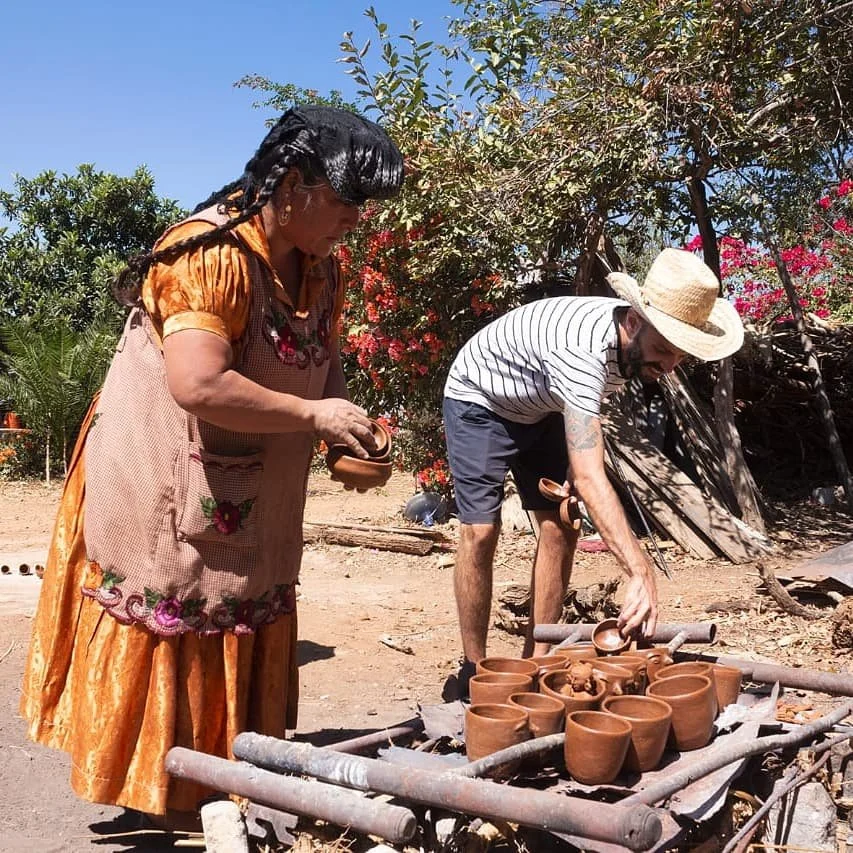
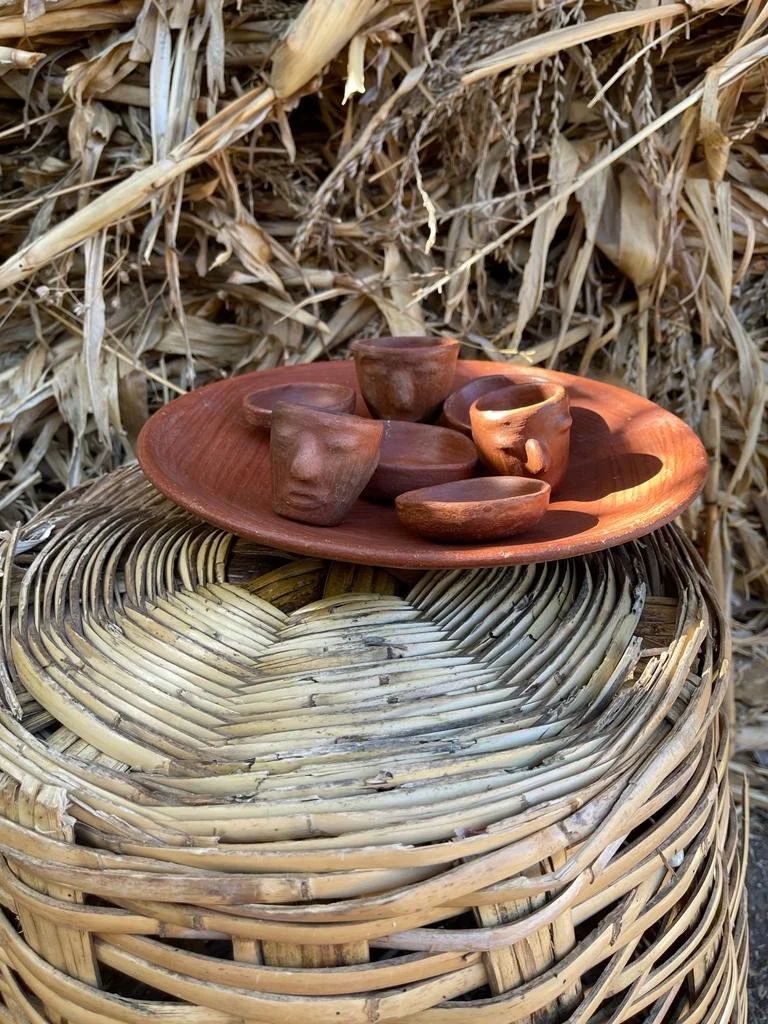
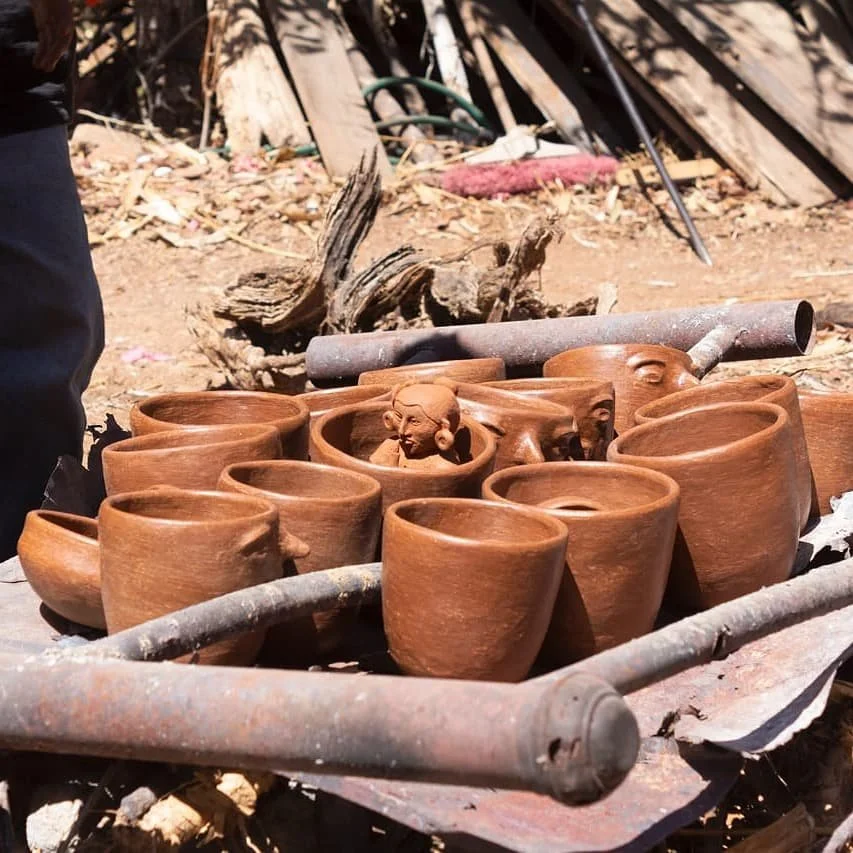
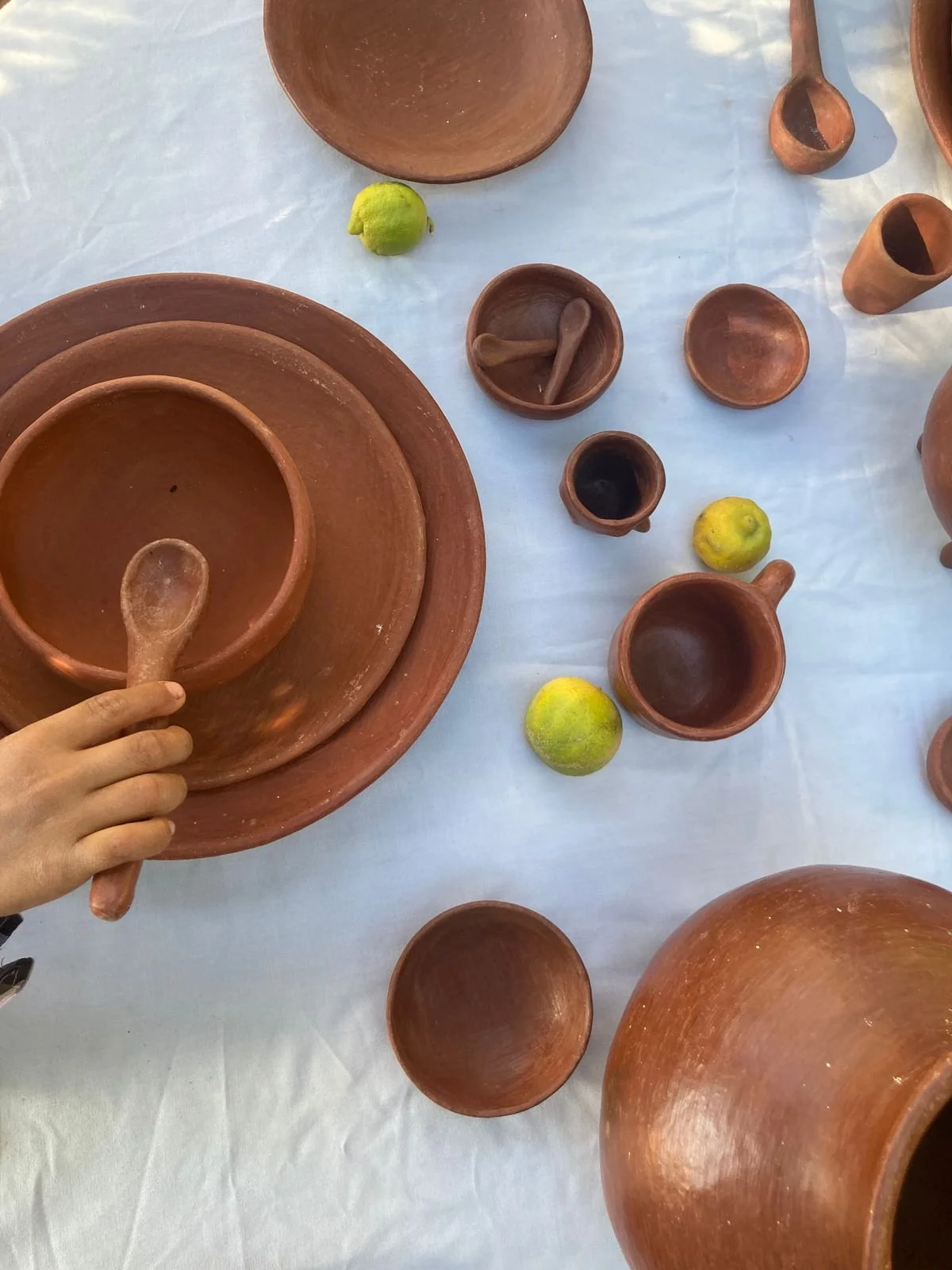
Buen dia, me presento. Soy Senora Rosario de la Cruz Martinez y soy de la comunidad de San Marcos Tlapazola Tlacolula, Oaxaca, Mexico. Soy Artesana, aqui en Tlapazola todas las mujeres de esta comunidad elaboramos piezas de barro puro, natural y libre de plomo, todo a mano porque no utilizamos molde.
Elaboramos tazas, vasos, platos, vajillas, tazones, y mas. Esta tradicion viene de herencia de mi difunta abuela. Mi abuela, su mama, mi mama aprendimos de nuestras madres para mantener a nuestra familia. Yo tengo tres hijos que estan estudiando. Mi esposo es campesino, y gracias a el que me ha dado todo su apoyo, estoy hasta donde estoy... antes puro haciamos comales, ollas, cajetes, pero ahorita poco a poco ya podemos hacer figuras como puercos, patos, conejos. Lo que sea, ya lo podemos, y asi espero que disfruten nuestro trabajo para asi sacar a mi familia adelante. Gracias. Atte. La Sra. Rosario Cruz.
Good morning, please allow me to introduce myself. my name is Mrs. Rosario de la Cruz Martinez and I am from the community of San Marcos Tlapazola Tlacolula, Oaxaca, Mexico. I am an artisan, here in Tlapazola all of the women of this community elaborate pieces of pure, natural and lead-free clay, and it’s all by hand because we do not use a mold. We make cups, glasses, plates, tableware, bowls, and more. personally, This tradition comes from my late grandmother's inheritance. My grandmother, her mother, my mother learned from our mothers to support our family. I have three children who are studying. My husband is a farmer, and thanks to him who has given me all his support, I have come as far as I have... before we used to only make comales, pots, bowls, but now, little by little, we can make figures like pigs, ducks, rabbits. Whatever it is, we can do it, and so I hope you enjoy our work in order for us to create more and to help propel my family forward. Thanks. Mrs. Rosario Cruz.
SAN PEDRO CAJONOS, OAXACA
esmave
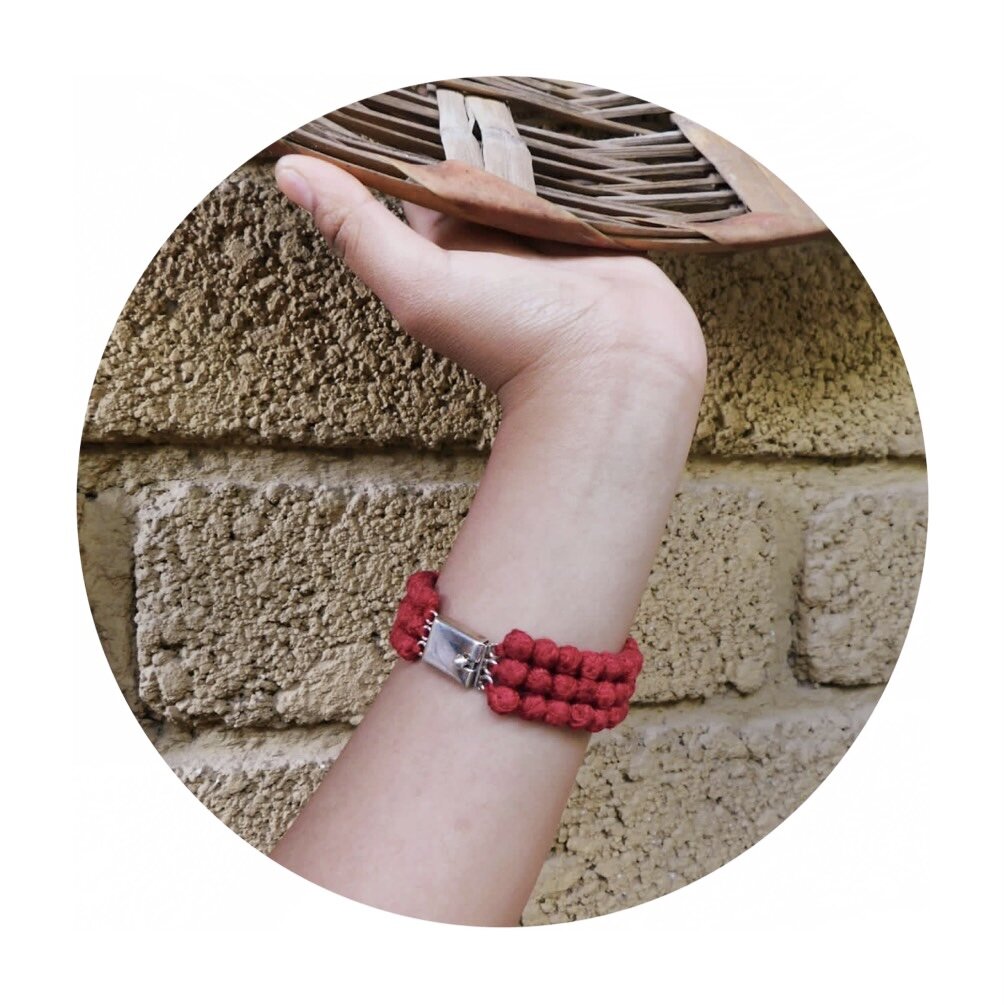
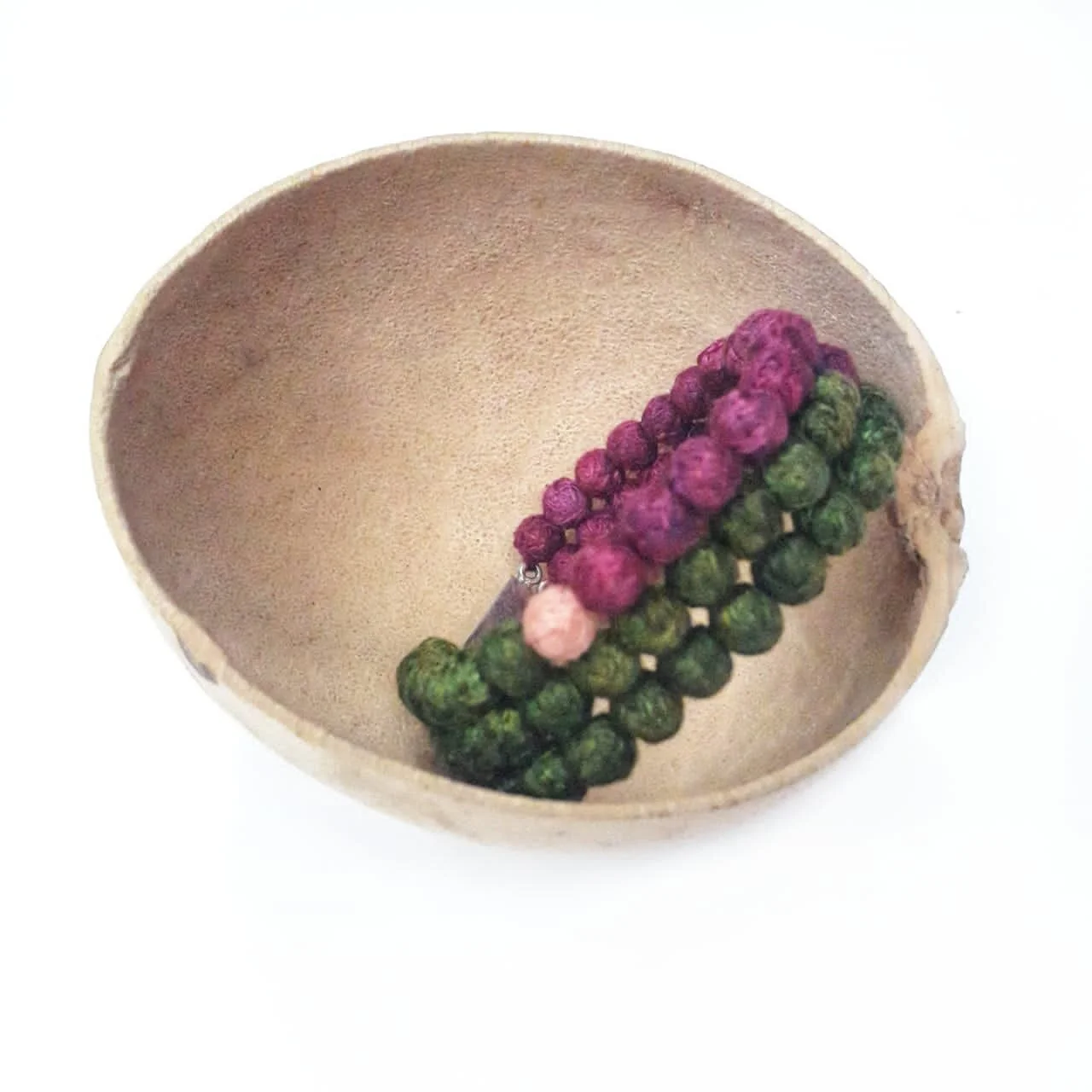
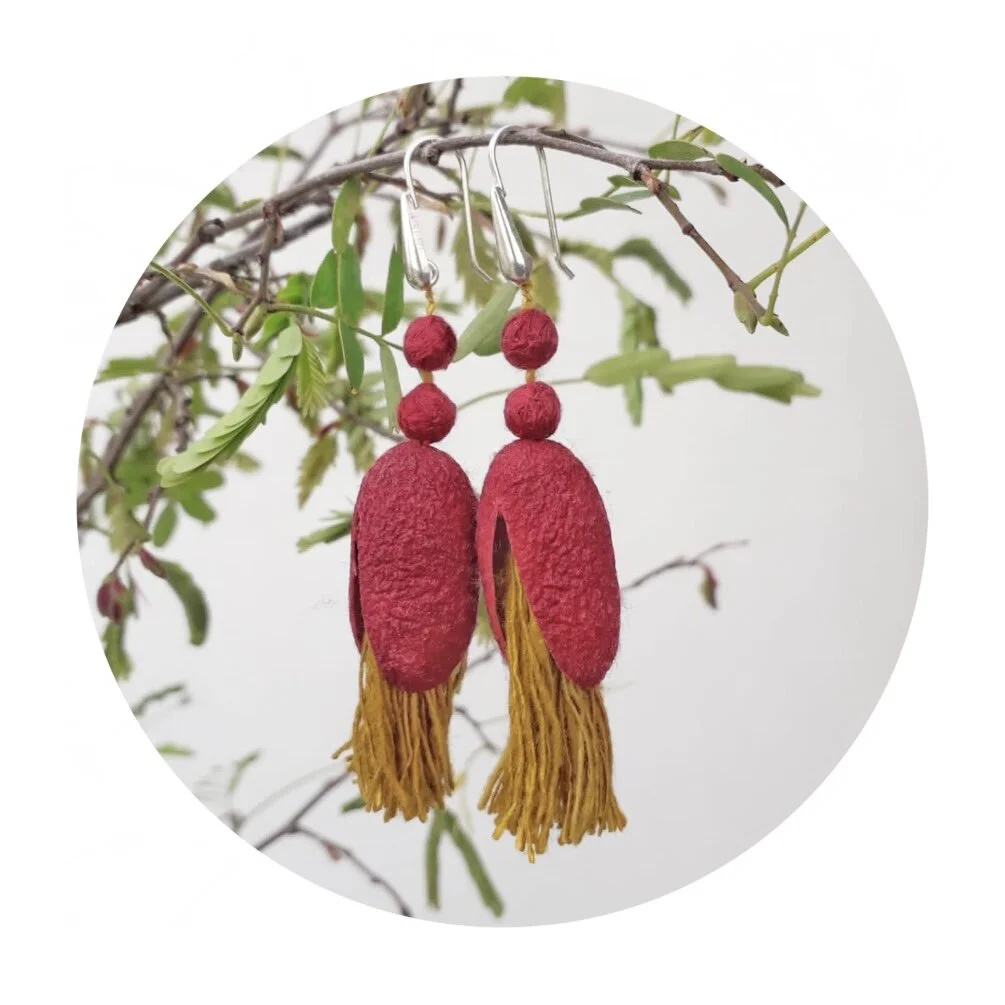
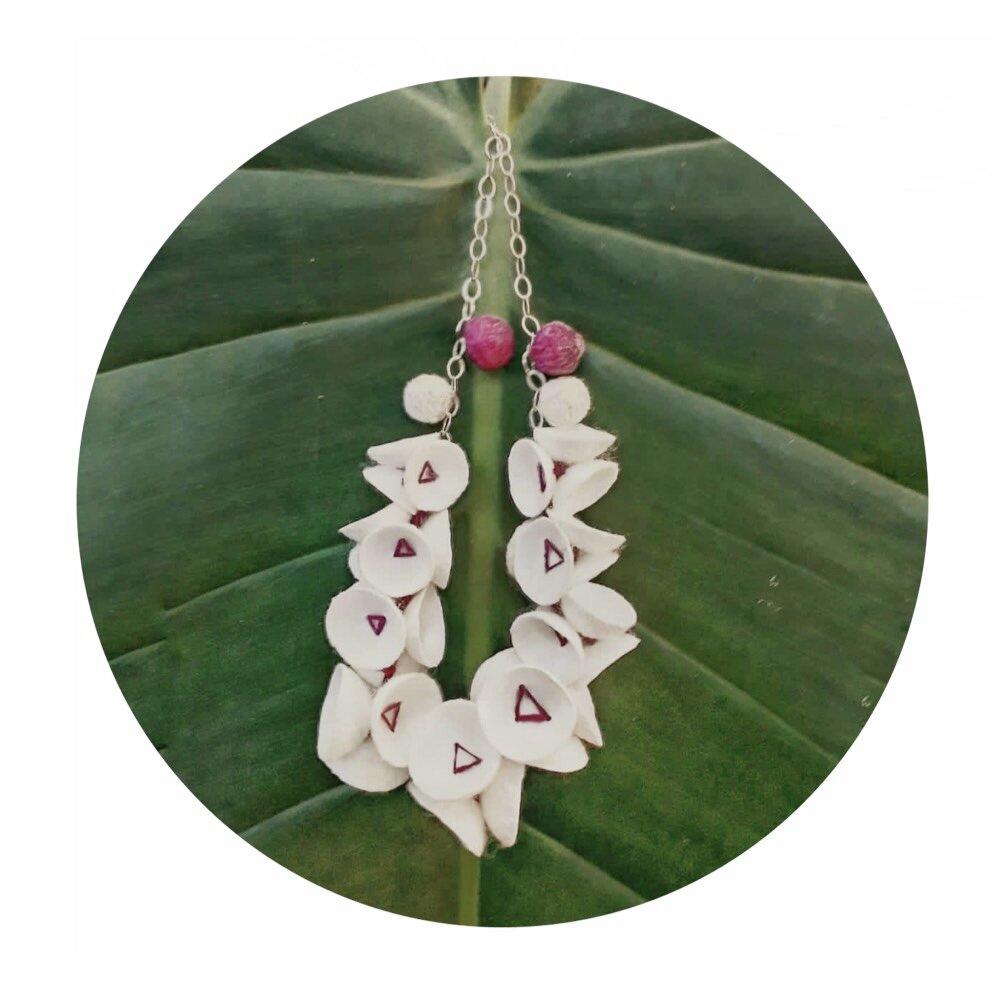
Mi nombre es Esperanza Martinez Velasco, soy originaria de San Pedro Cajonos, comunidad Zapoteca ubicado en la Sierra Norte de Oaxaca. Desde muy pequeña comencé a utilizar los capullos del gusano de seda de forma diferente, que no fuera solo textiles, que es la actividad realizada por mi familia, dedicada al proceso de la seda, desde la Moricultura, Sericicultura, y Artesanía. Fue asi como desarrolle una linea de joyeria de capullos e hilo de seda, ensamblados con plata.
Tengo 17 años elaborando joyería, por iniciativa propia en 2003, cuando tenía 13 años de edad, comencé a hacer recortes con los capullos de seda y a formar figuras de animales, en ese entonces. Mi comunidad solo elaboraba textiles y debido a mi edad, no tenía la fuerza suficiente para tejer en el telar de cintura.
Mi trabajo representa innovación con las técnicas tradicionales de mi comunidad. La seda es una de las fibras más apreciadas en todo el mundo, que la gente vea que hay alternativas diferentes al uso de la seda. Que de un proceso biológico de un capullo de gusano de seda se convierte en materia prima.
Estoy encantada de tener la oportunidad de experimentar más con el uso de diferentes materiales, en diseños creativos, mientras continuo haciendo el trabajo que mas amo: producir delicadas joyas fantasiosas de capullos de gusanos e hilos de seda, teñido con pigmentos naturales.
Me enorgullece saber que la joyería que diseño y elaboro ha tenido éxito. Motivo por el cual ha sido inspiración para mi comunidad, que han comenzado a elaborar también, y necesito mantenerme a la vanguardia del juego, innovando y produciendo con calidad aun mayor que antes.
Lo sigo haciendo porque es ya parte de vida diaria e ingreso económico. La materia prima de la joyería es producto orgánico y no contamina el medio ambiente. Las piezas que elaboro tienen la mayor calidad posible para que el consumidor tenga la satisfacción de que invirtió bien en su compra.
Soy artesana porque tengo la destreza y habilidad de realizar mi trabajo con las manos, siguiendo técnicas tradicionales.
My name is Esperanza Martinez Velasco, I am originally from San Pedro Cajonos, a Zapotec community located in the Sierra Norte de Oaxaca. From a very young age I began to use the cocoons of the silkworm in a different way, other than just textiles, which is the tradition carried out by my family, dedicated to the silk process, from Moriculture, Sericulture, and Crafts. This is how I developed a line of jewelry made of cocoons and silk thread, assembled with silver.
I have been making jewelry for 17 years, on my own initiative in 2003, when I was 13 years old, I started making cuts with silk cocoons and forming animal figures. back then, My community only made textiles and due to my age, I was not strong enough to weave on the backstrap loom. My work represents innovation with the traditional techniques of my community.
Silk is one of the most appreciated fibers in the world, that people see that there are different alternatives to using silk. That from a biological process a silkworm cocoon becomes raw material. I am delighted to have the opportunity to experiment more with the use of different materials, in creative designs, while continuing to do the job that I love the most: producing delicate fantasy jewelry from worm cocoons and silk threads, dyed with natural pigments.
I am proud to know that the jewelry I design and make has been successful. Which is why it has been an inspiration for my community, which they have started to develop as well, and I need to stay at the forefront of the game, innovating and producing with even higher quality than before. I keep doing it because it is already part of daily life and income. The raw material of the jewelry is organic product and does not pollute the environment. The pieces that I make are of the highest possible quality so that the consumer has the satisfaction that they invested well in their purchase. I am an artisan because I have the skill and ability to carry out my work with my hands, following traditional techniques.
HIDALGO YALALAG, OAXACA
HUIPILITO
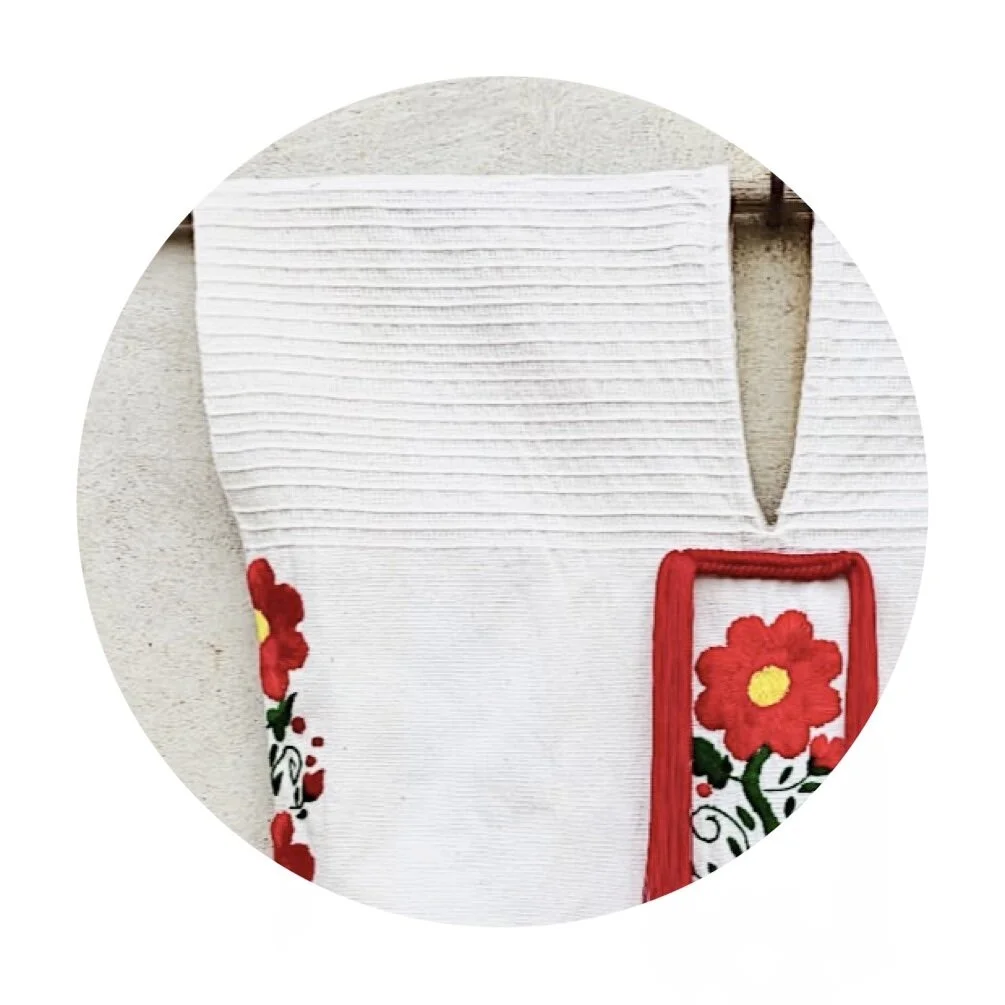
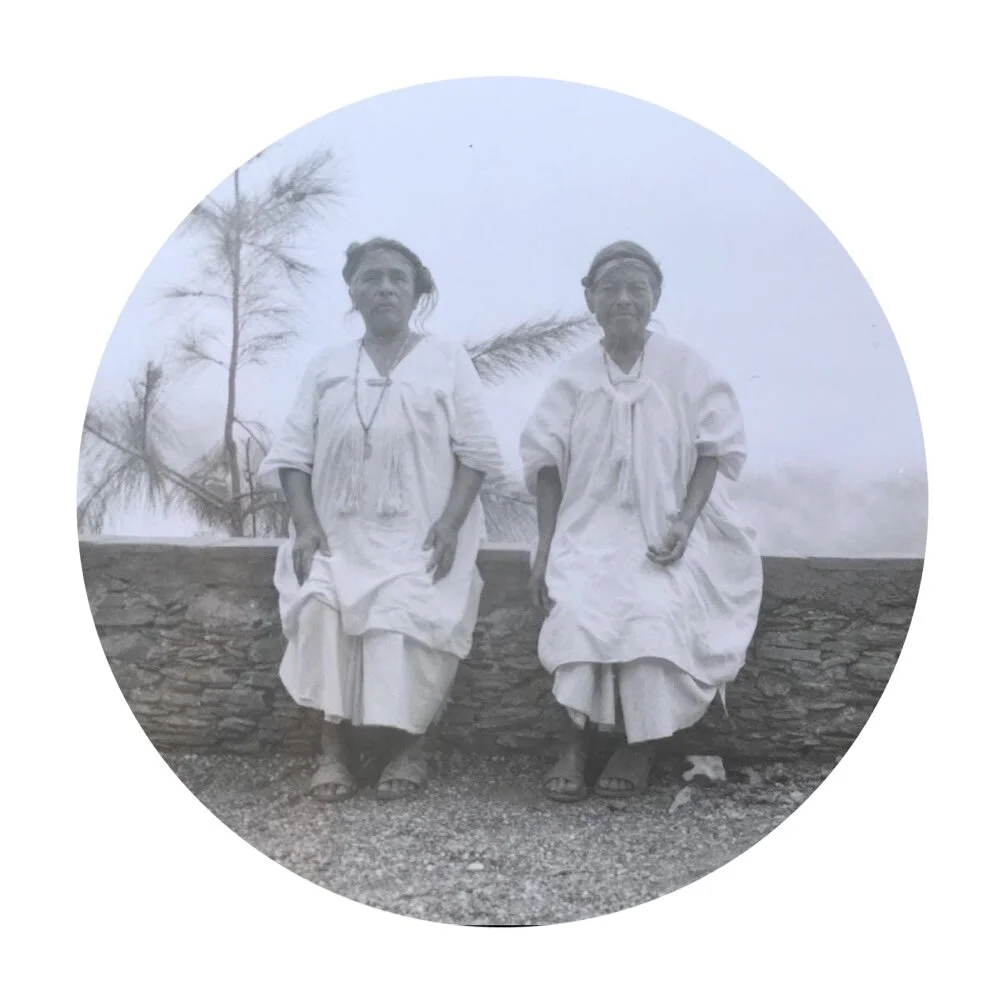
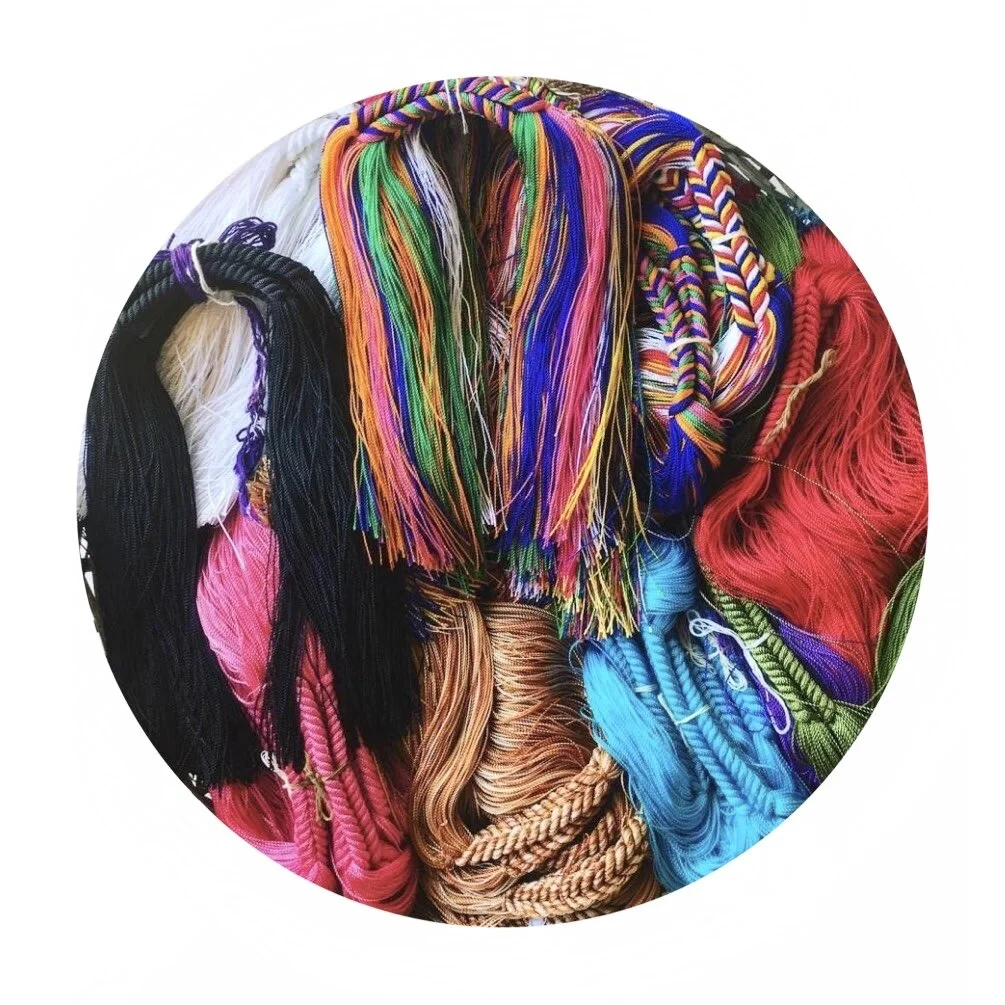
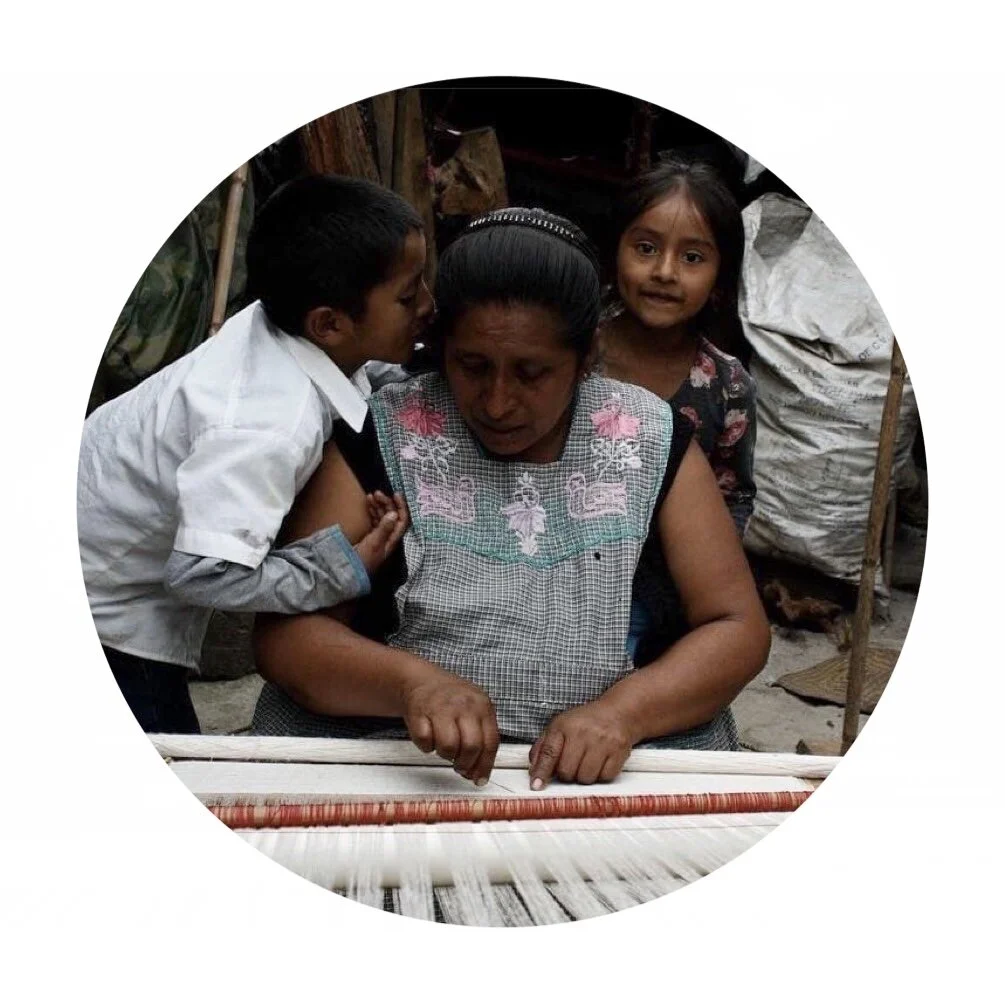
“Huipilito surge en el 2018 como una alternativa al comercio injusto de textiles y demás productos artesanales. Este proyecto involucra a mujeres de diversas comunidades de la sierra norte del estado de Oaxaca como son: Villa Hidalgo Yalálag, Santa María Tlahuitoltepec, San Jerónimo Zoochina, San Juan Cotzocón Mixe, Juquila Mixe y Atolotepec mixe. La propuesta que hemos trabajado durante estos dos años es el comercio "desde adentro", que consiste en trabajar directamente con las artesanas, informarles de la dinámica y fijar un precio accesible para el cliente. Nuestra intención no es desarrollarnos como marca, sin embargo si nos gustaría llegar a muchas partes del país y del mundo.”
“Huipilito emerged in 2018 as an alternative to the unfair trade in textiles and other artisanAL products. This project involves womEn from various communities in the northern highlands of the state of Oaxaca such as: Villa Hidalgo Yalálag, Santa María Tlahuitoltepec, San Jerónimo Zoochina, San Juan Cotzocón Mixe, Juquila Mixe and Atolotepec Mixe. The proposal that we have worked on during these two years is trade "from within", which consists of working directly with the artisans, informing them of the dynamics and setting an accessible price for the client. Our intention is not to develop as a brand, however, we would STILL like to reach many parts of the country (MEXICO) and the REST OF THE world.”
ÑUU TACHA, SAN PABLO TIJALTEPEC, OAXACA
ÑAA ÑANGA
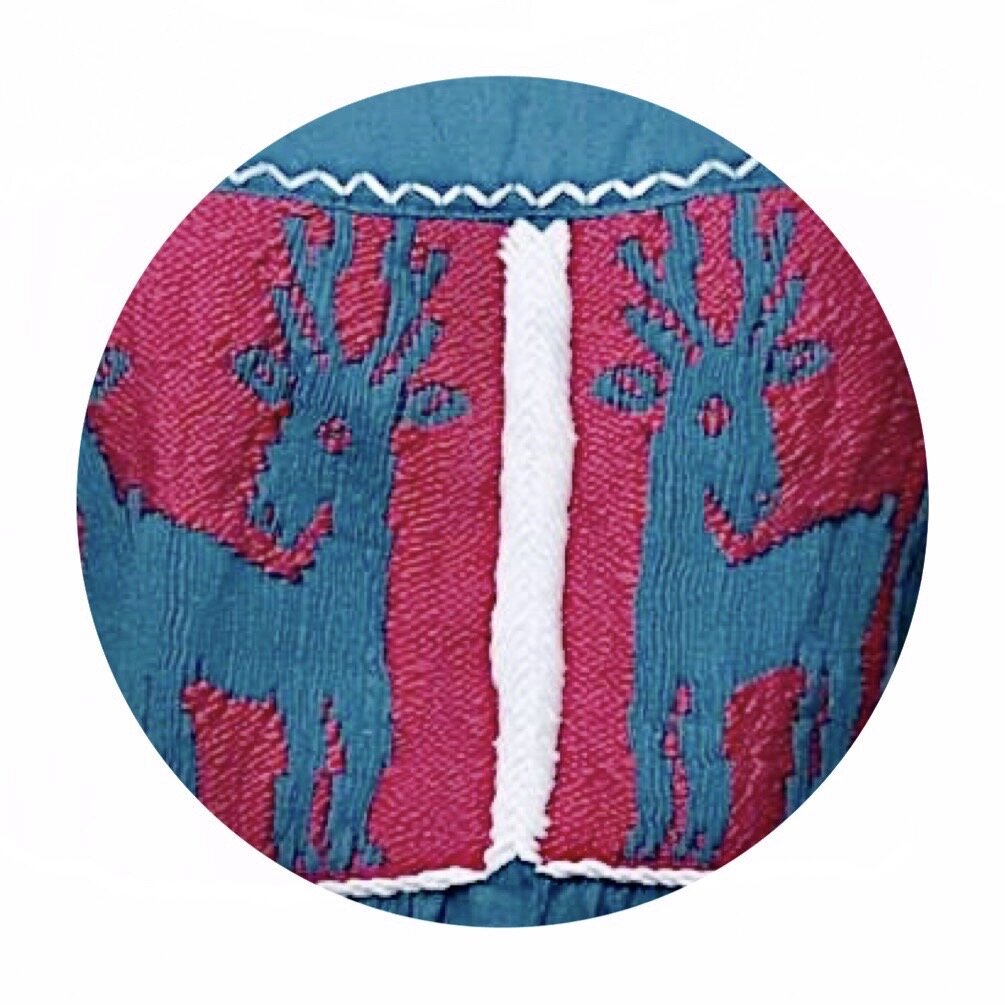
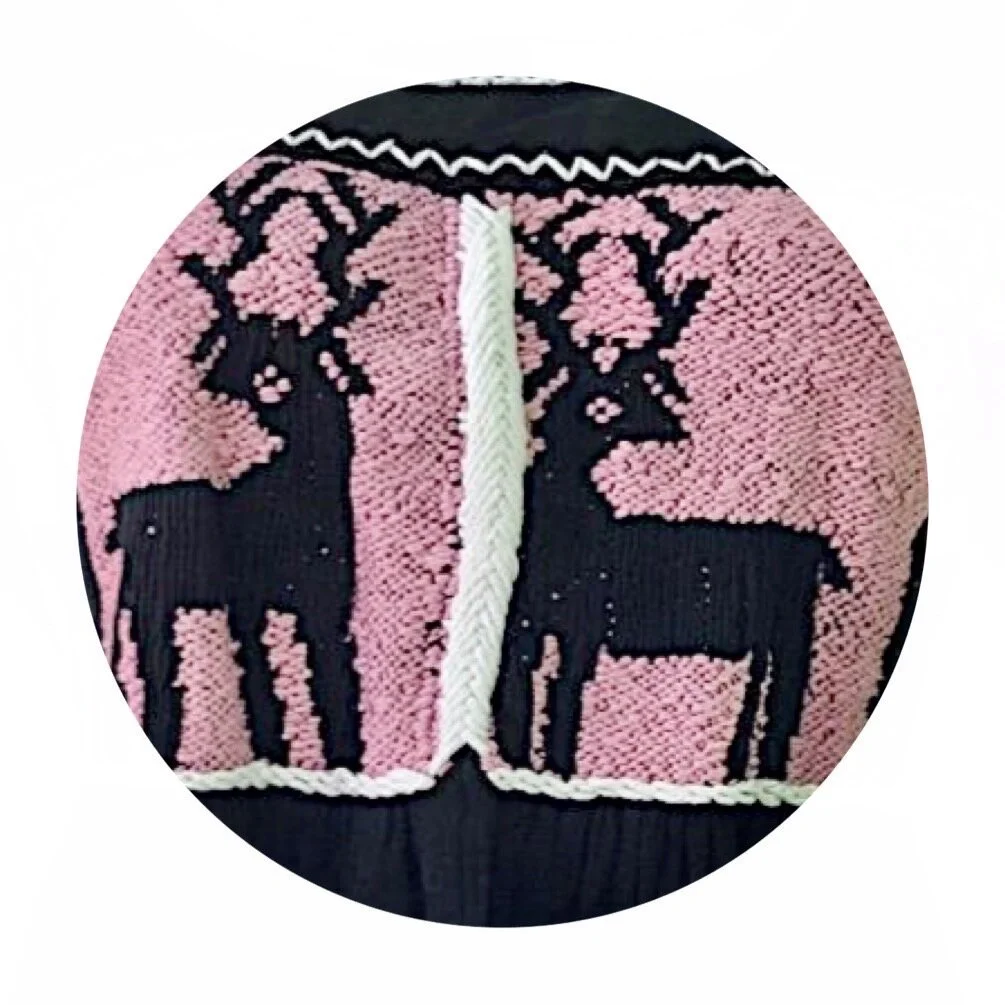
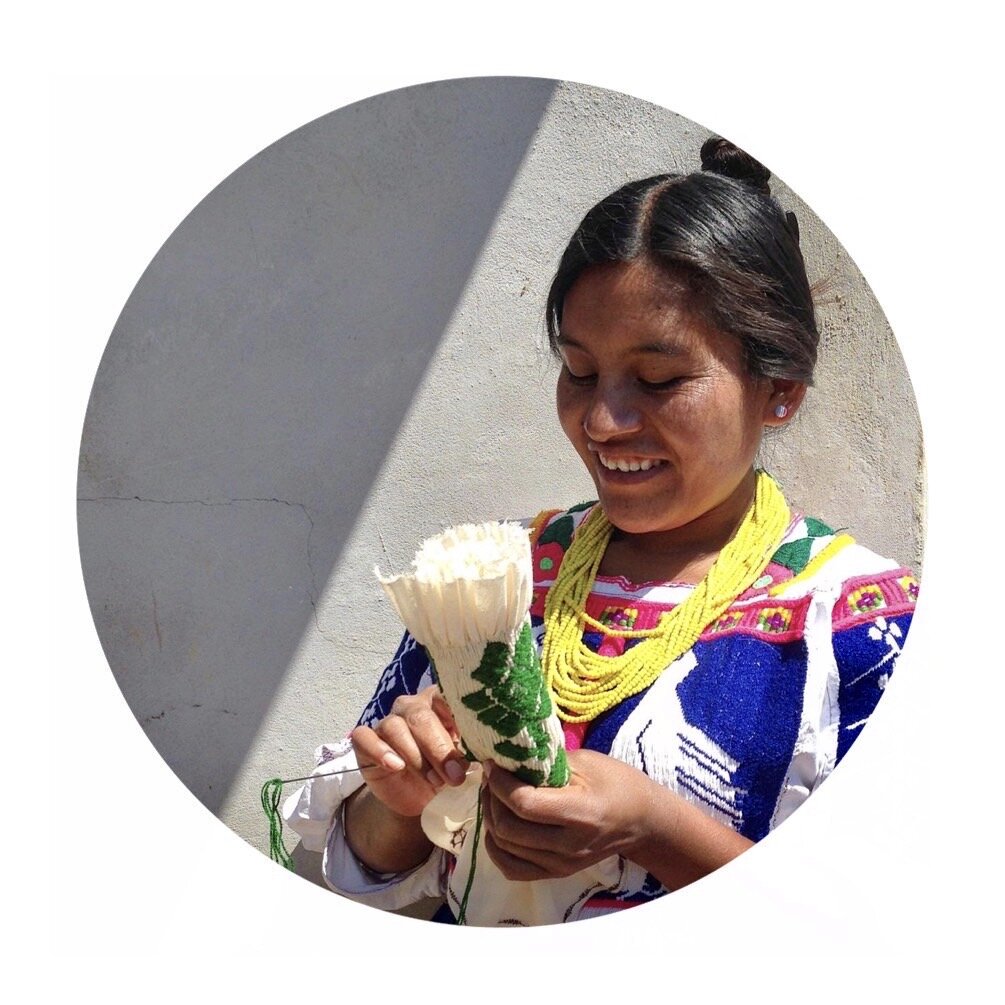
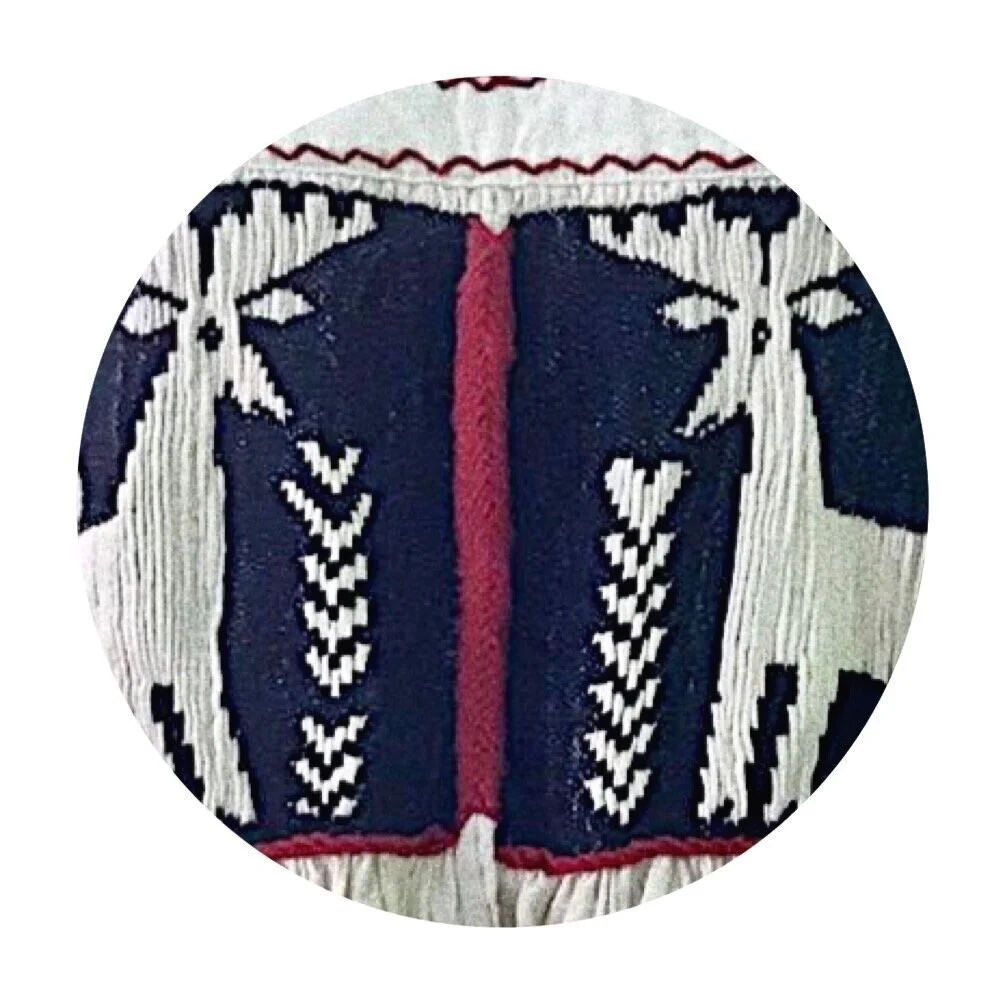
“Somos originarias de San Pablo Tijaltepec, en mixteco Ñuu Tacha (pueblo del bule) y juntas formamos el colectivo Ñaa Ñanga, que en mixteco quiere decir ‘mujeres de los juguetes o creativas’. Desde niñas heredamos el conocimiento del textil gracias a nuestras madres y abuelas, quienes nos enseñaron a tejer, bordar y a confeccionar nuestras blusas, enaguas y rebozos.
Nuestras blusas están conformadas por cuatro lienzos que bordamos con la técnica de pepenado fruncido; en ellas representamos al venado, las aves, los animales domésticos con los que convivimos cotidianamente, las plantas y los elementos de la naturaleza. En los lienzos de las mangas representamos elementos iconográficos de la naturaleza y otros de nuestra cotidianidad: la vegetación de las montañas, nuestros sembradíos, los ojos de la tierra (pozos, manantiales).”
“We originate from San Pablo Tijaltepec, in Mixteco Ñuu Tacha (town of the ‘bule’ [squash]), and together we form the collective Ñaa Ñanga. In Mixteco it means “womxn of the toys / creatives”. Since early childhood, we inherited deep knowledge about textiles through our mothers and grandmothers, who showed us to weave, embroider, and create our own blouses, skirts, and shawls.
Our blouses are composed of four lienzos, which we embroider with a technique called “pepenado fruncido”. In the blouses we represent the deer, birds, the wild and domesticated animals with whom we co-exist each day, and the plants and the elements of nature. In the sleeves we portray iconography elements of nature and others of our day-to-day life; the vegetation of the mountains, our crops, and the eyes of the earth (wells, springs).”
COLECTIVOS 2020-2021
JOLOBIL DE ZINACANTAN, CHIAPAS
Maria concepcion + Francisco
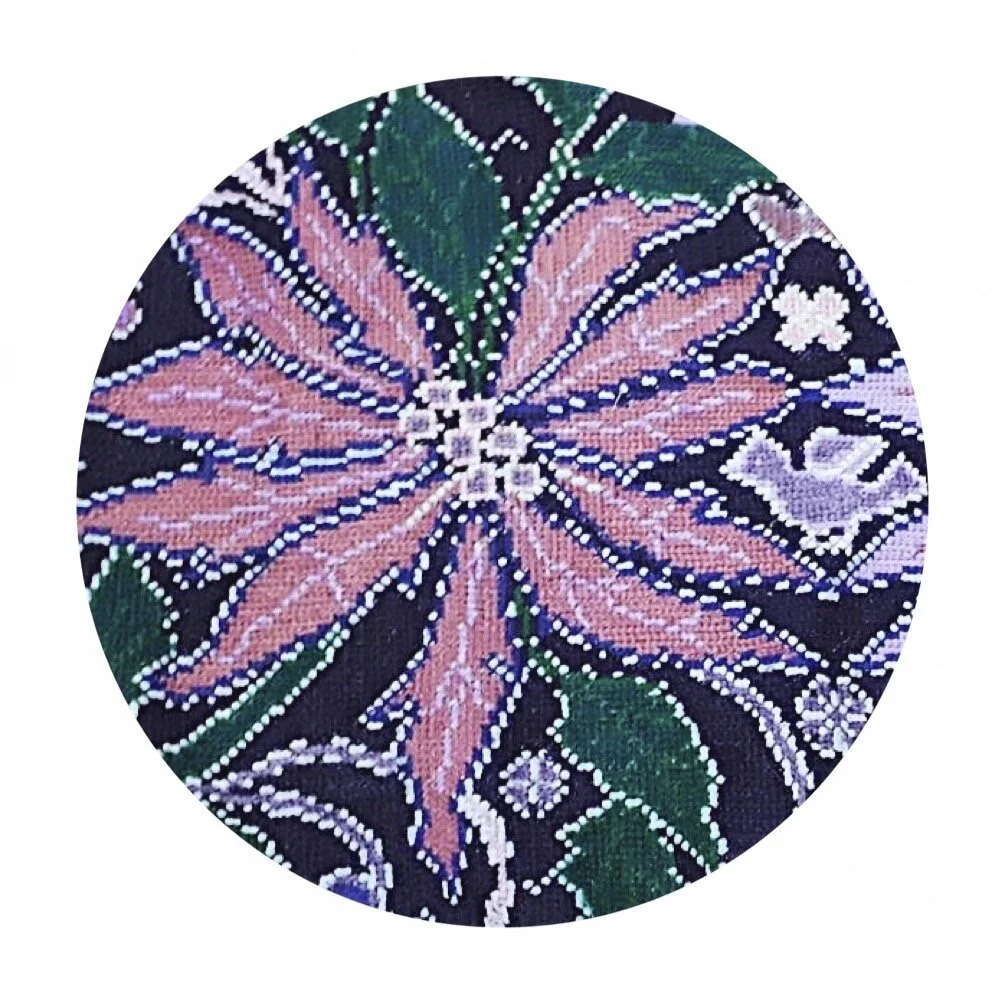
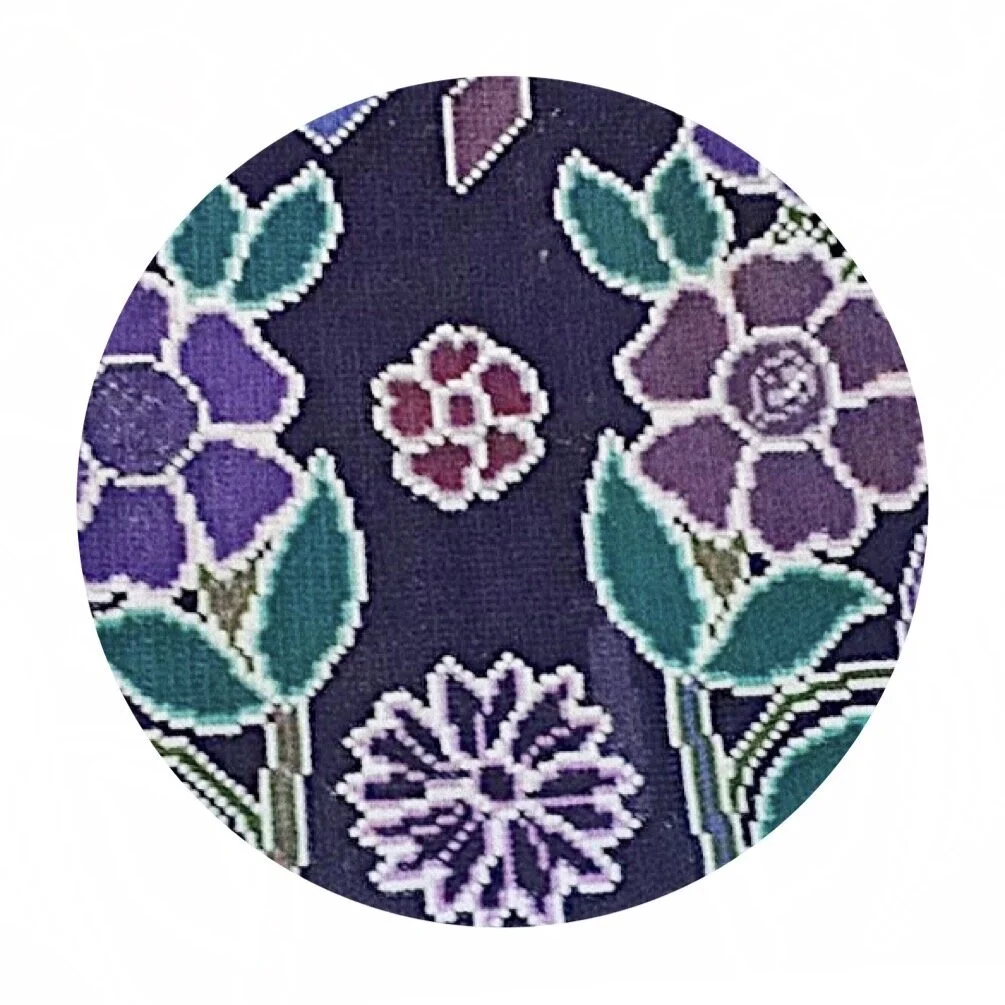
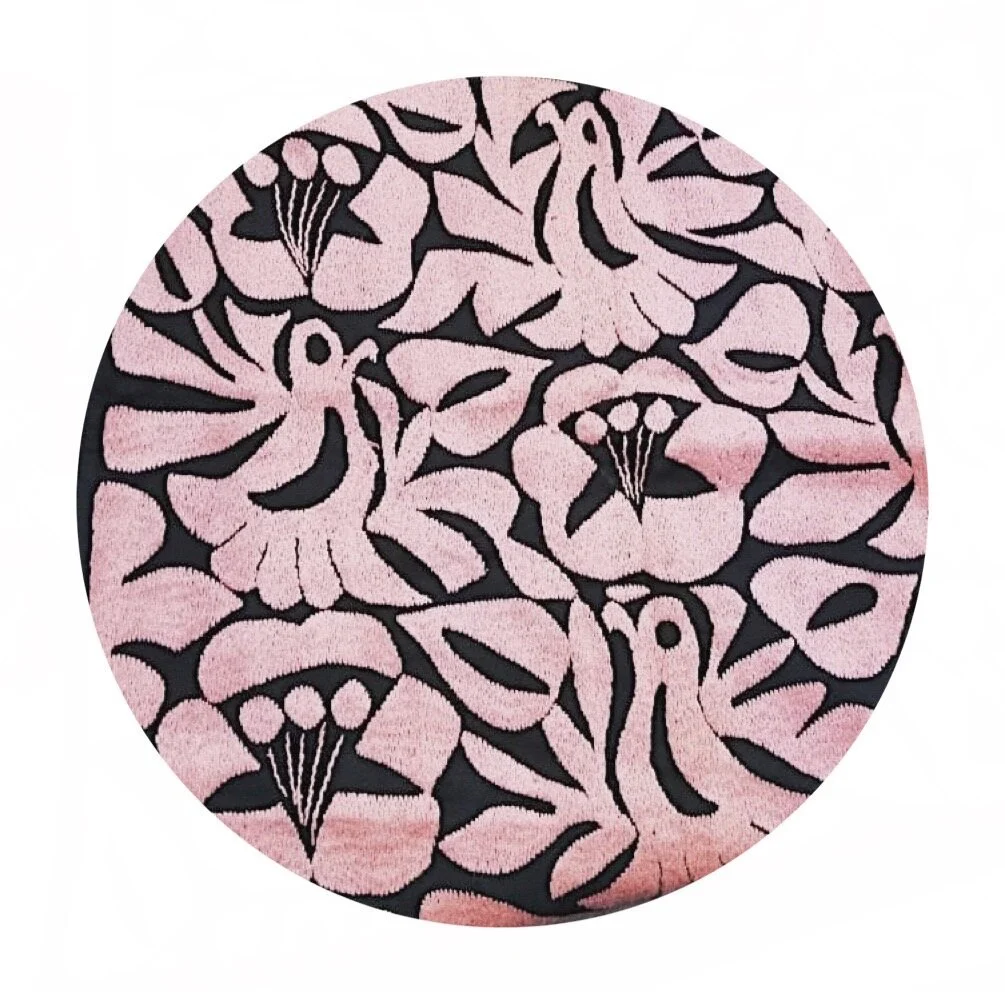
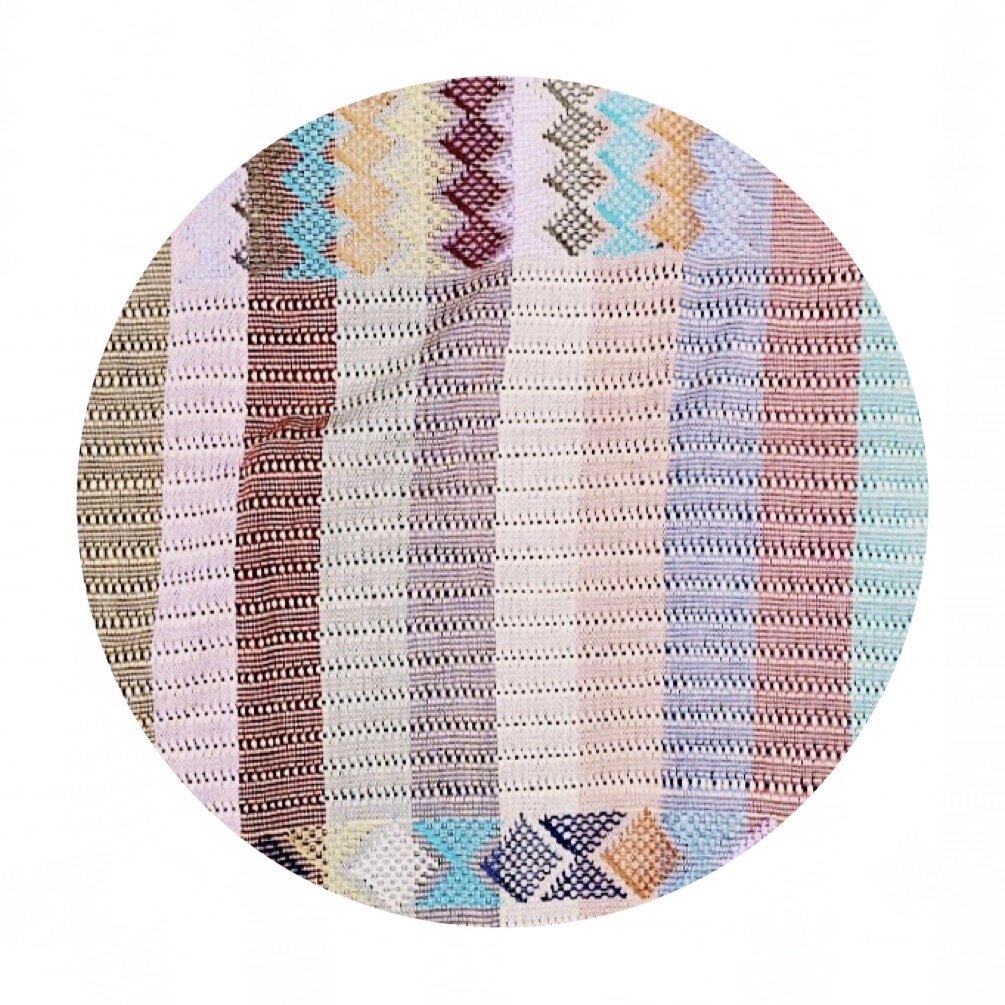
“Mi nombre es Mary y mi esposo se llama Francisco. Venimos de familias indígenas pero por la necesidad y por tradición aprendimos a hacer estos hermosos trabajos de telar de cintura y bordados de punto, lo que nos orgullese mucho por las hermosas tradiciones de nuestro precioso pueblo de Zinacantan. Gracias a nuestros familiares y las tradiciones de aqui es que hoy en día hecemos y vendemos variedades de productos de telar de cintura y disfrutamos mucho hacerlo.”
“My name is Mary and my husband is Francisco. We are indigenous descendants, and due to necessity and tradition, we learned the beautiful work of weaving and embroidery. We are very proud of our beautiful traditions pueblo of Zinacantan. Thanks to our family and traditions we are able to create and sell our work all while enjoying the process.”
2020-2021
ZINACANTAN, CHIAPAS
MUJERES SEMBRANDO LA VIDA
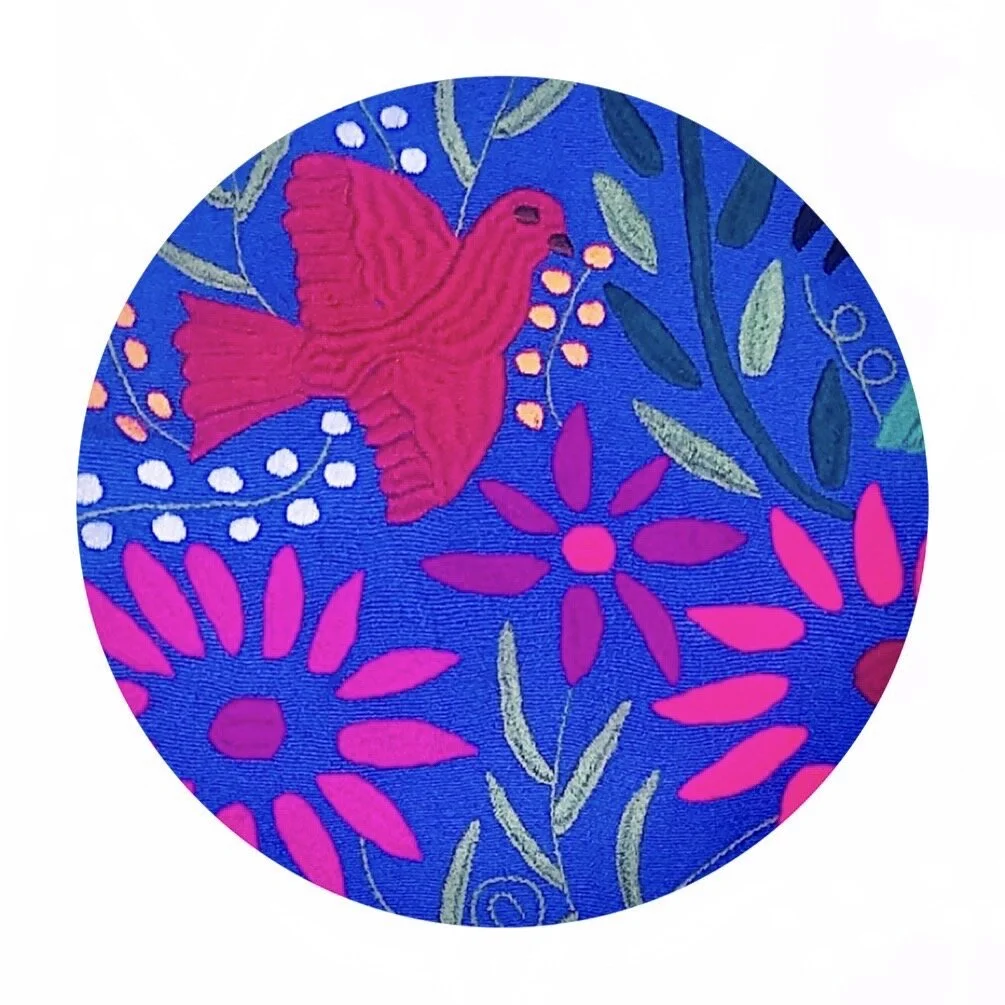
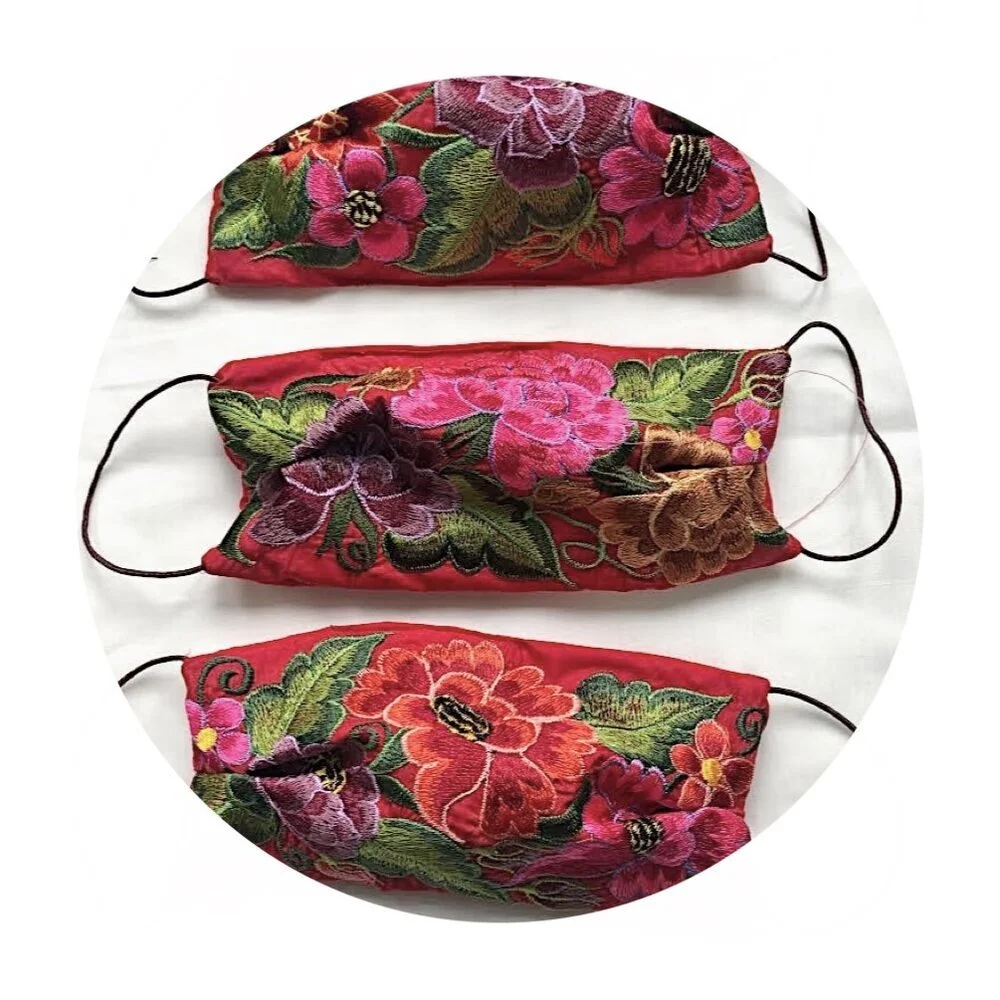
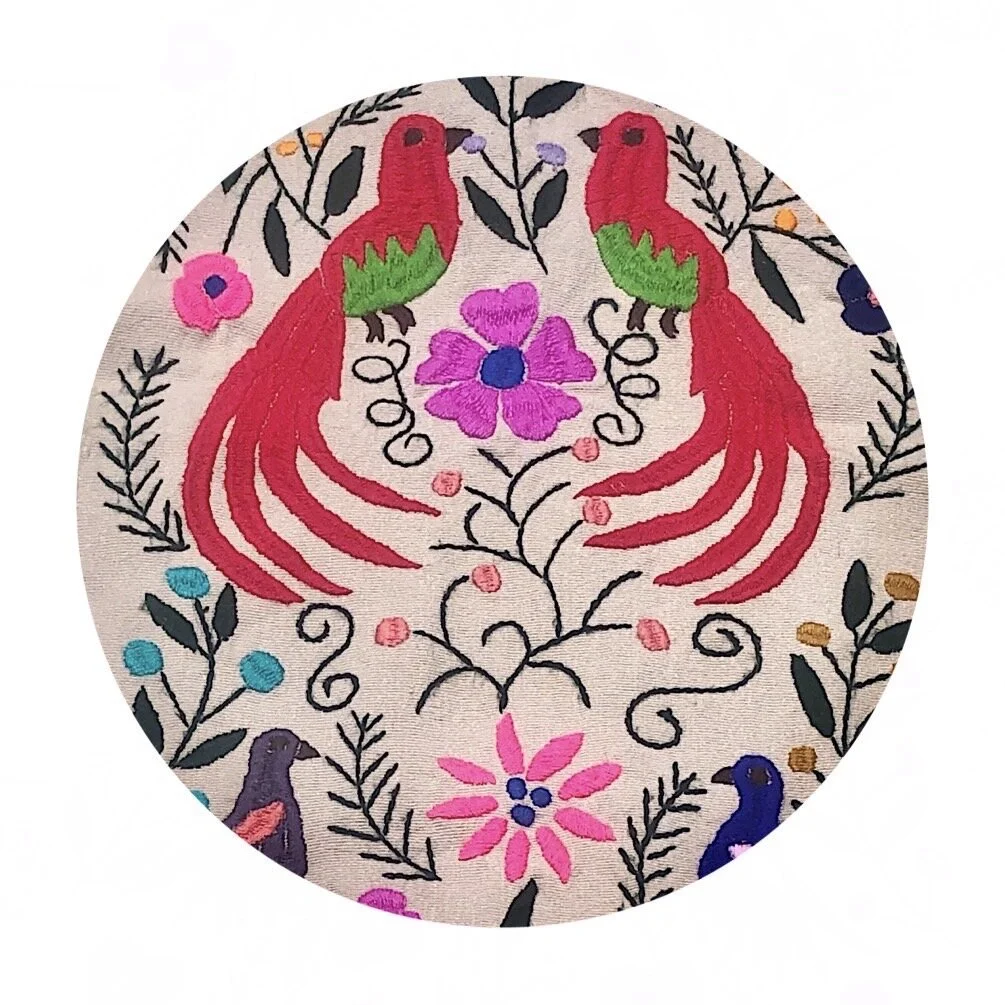
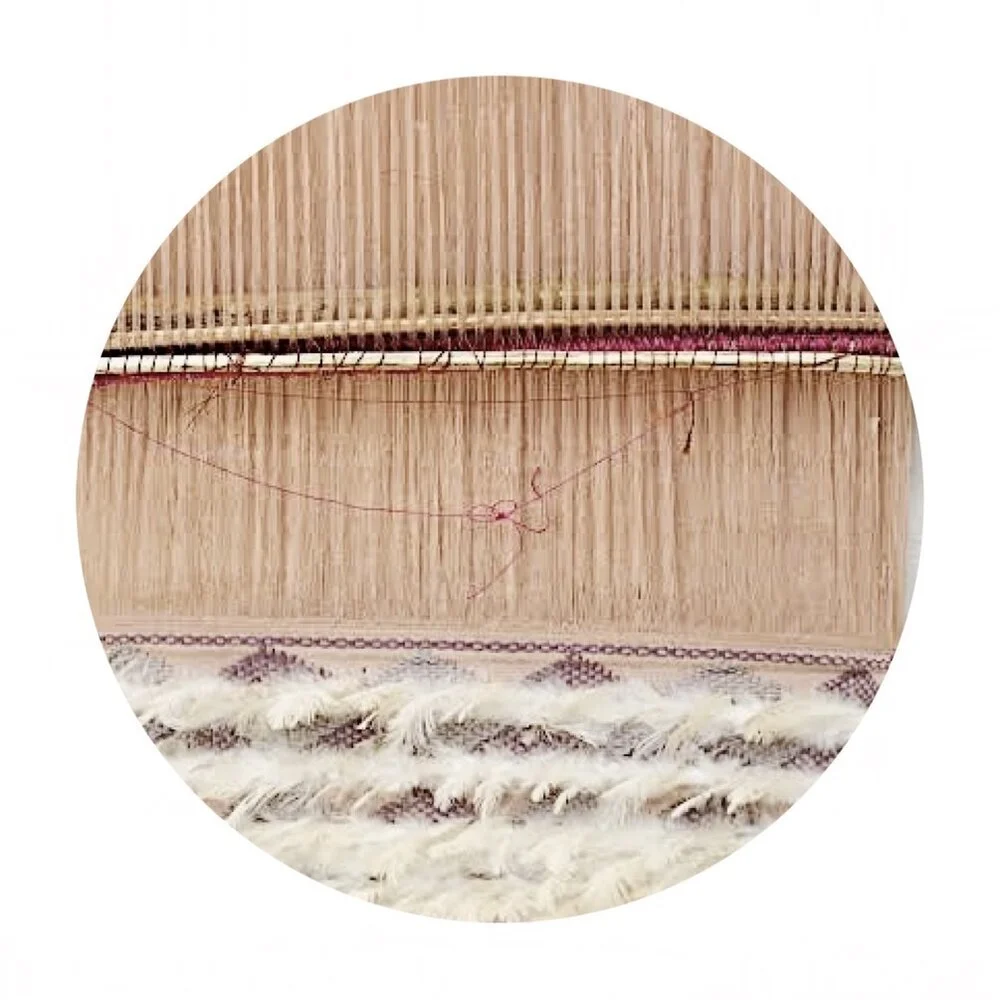
Somos una cooperativa formada por 200 mujeres indígenas artesanas de 7 comunidades del municipio de Zinacantán, Chiapas, Mexico, las cuales forman parte de un pueblo tsotsil . "MUJERES SEMBRANDO LA VIDA". Y en la lengua Tsotsil se escribe así "ANTSETK TA STSUN SKUXLEJALIK" Al principio Apoyadas por la organización FORO PARA EL DESARROLLO SUSTENTABLE.
“We are a womxn’s co-op, formed by 200 indigenous artisans from 7 communities in Zinacantan, Chiapas, Mexico, all originating from Tzotzil. Our name is “Womxn Creating Life”, and in the Tzotzil language it is written: “ANTSETK TA STSUN SKUXLEJALIK”. We are part of the Forum for Sustainable Development.”
2020 -2021
VALLE DE CHALCO, ESTADO DE MEXICO
COLECTIVO de INDIGENAS MIGRANTES:::INDIGENOUS MIGRANTS COLLECTIVE
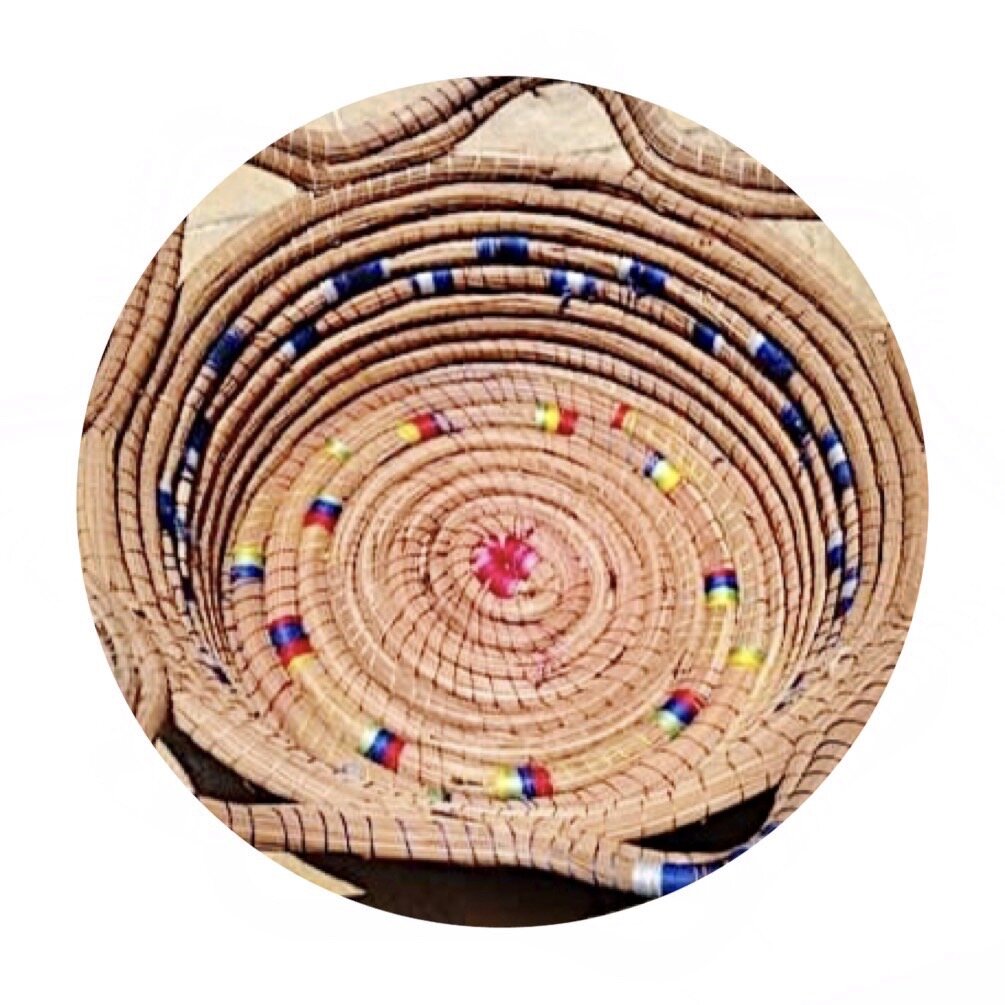
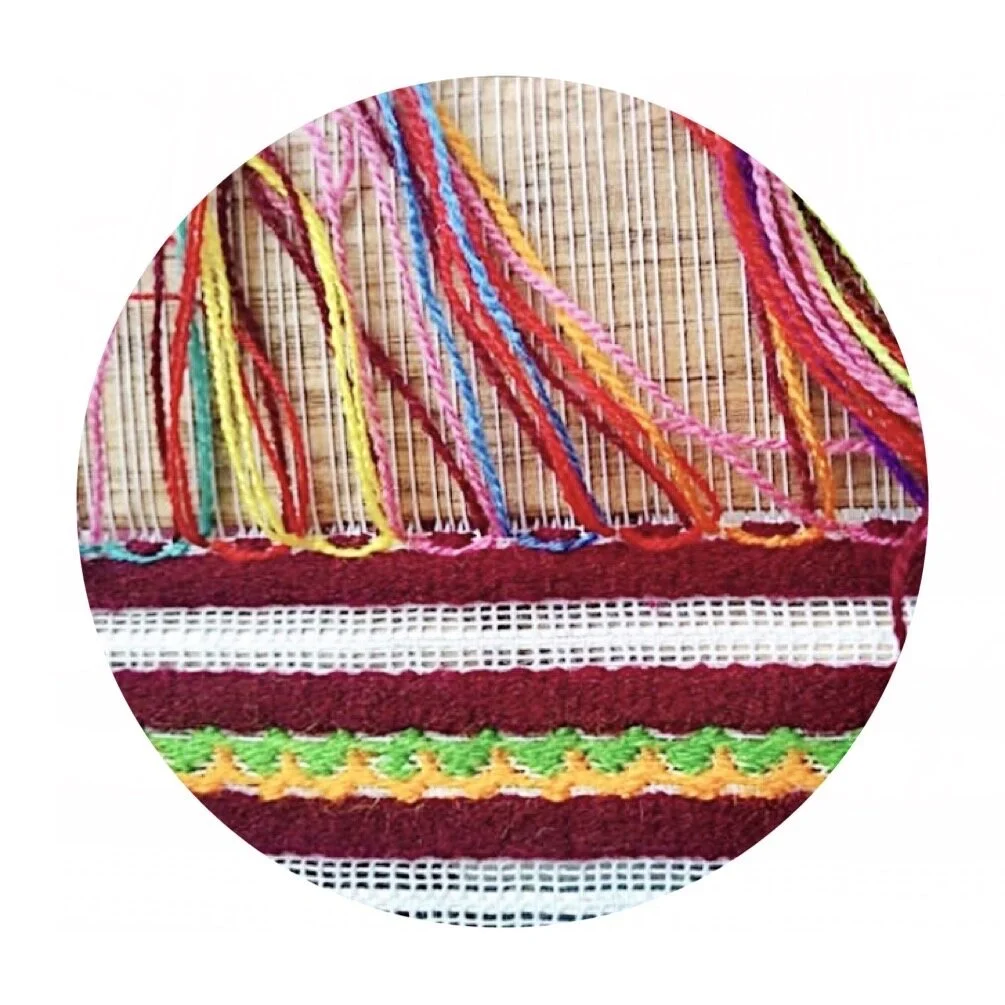
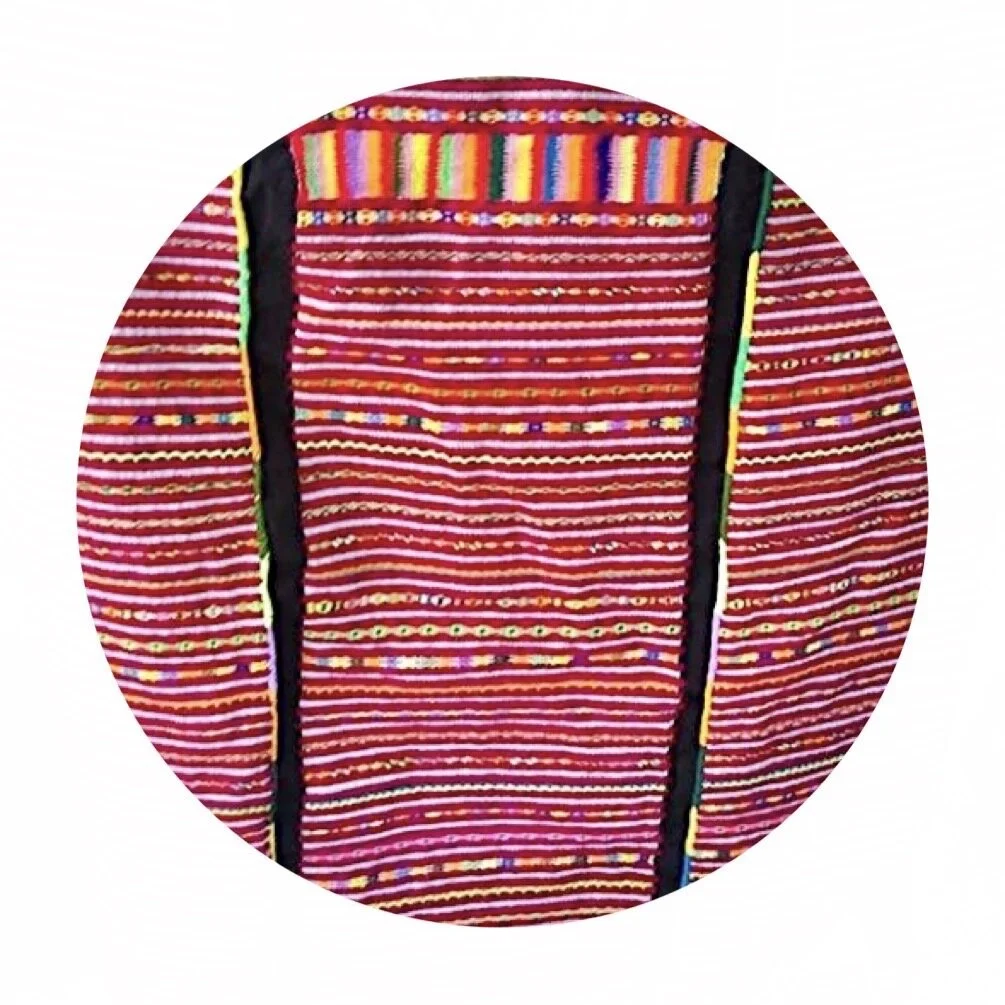
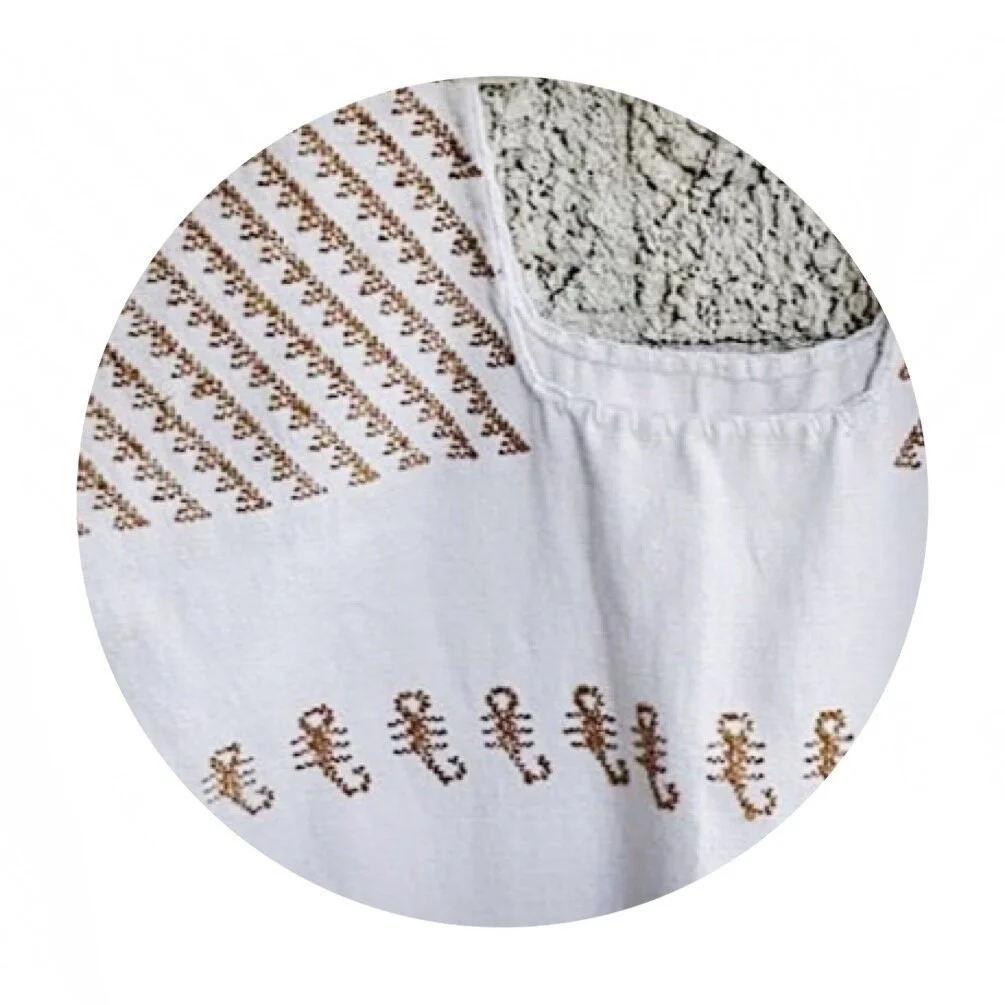
“Somos una familia artesanal, migrantes indigenas que dejaron sus origines, pero, no su arte, radicamos de Valle de Chalco; Municipio donde la violencia esta al dia, sin embargo, el arte es mas fuerte que los estereotipos.
La señora Luz artesana mixteca de San Juan Colorado
La señora Marcelina artesana triqui de San Isidro Morelos
La señora Andrea Artesana mazahua de fibras naturales
Roberto artesano textil nahual de Guerrero.”
“We are a family of artisans, indigenous migrants who had to leave our origins though not our art. We are now in Valle de Chalco, a municipality in Edo. de Mexico, where violence is rampant each day, however, our art is more powerful than any stereotypes.
Our indigenous artisan’s collective is composed of:
Mixteca artisan, Maestra Luz - originary of San Juan Colorado, Oaxaca
Triqui artisan, Maestra Marcelina - originary of San Isidro de Morelos, Putla, Oaxaca
Mazahua natural fibre artisan, Maestra Andrea - originary of Ocoxal
Nahual artisan, Maestro Roberto - originary of Guerrero.”
2020-2021
VALLE DE OAXACA, OAXACA
TALLER CORAZON MAGICO
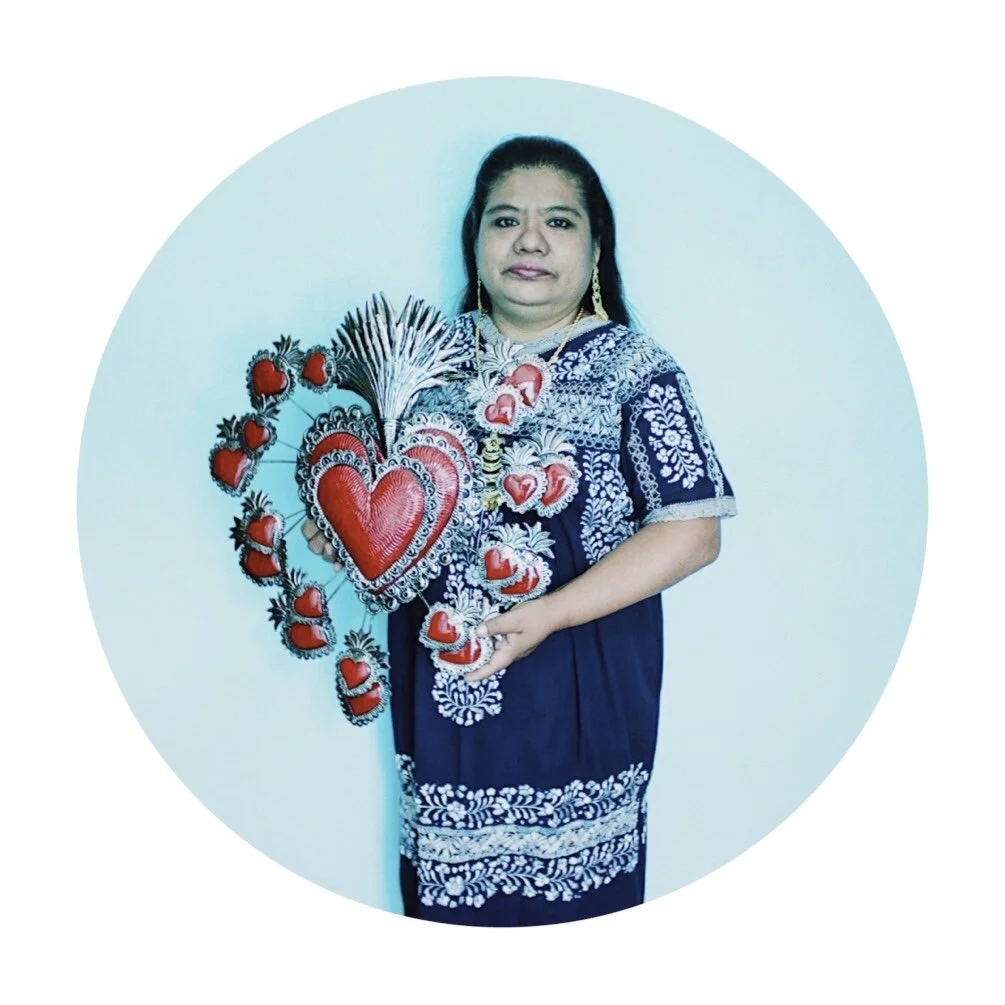
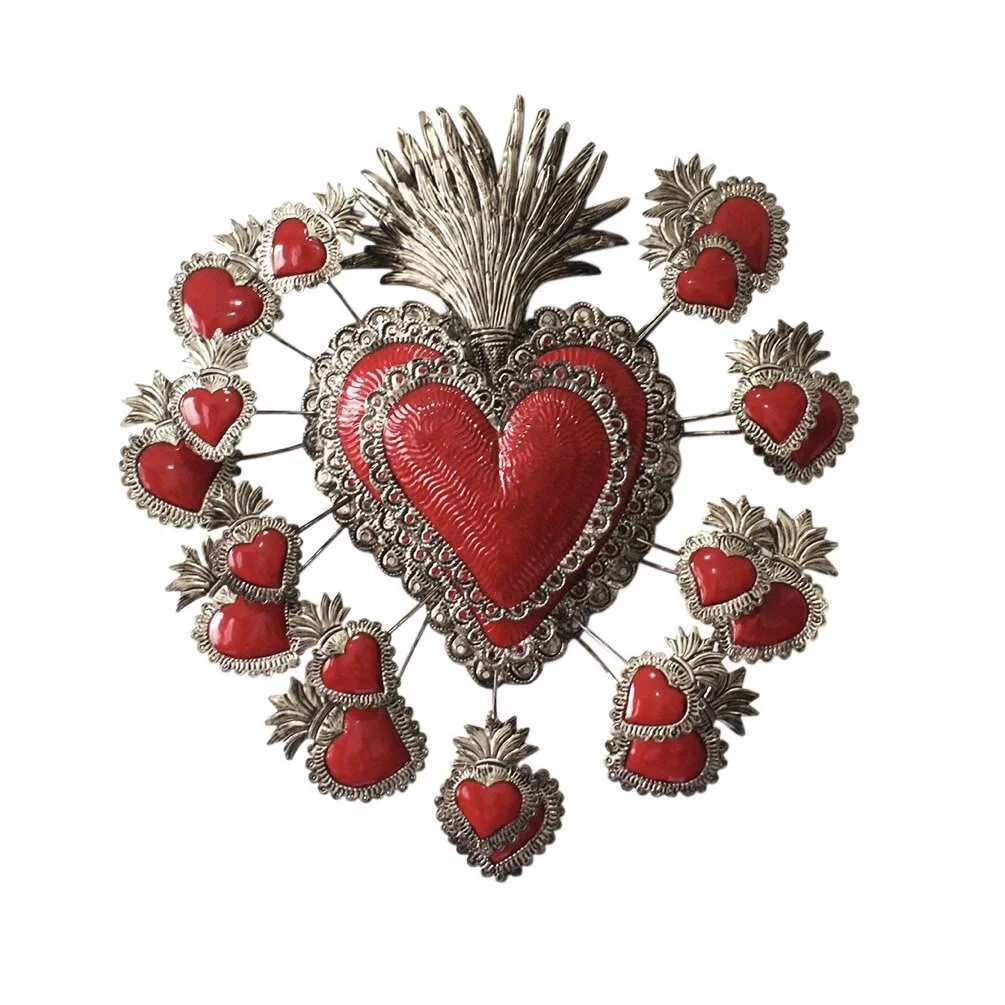
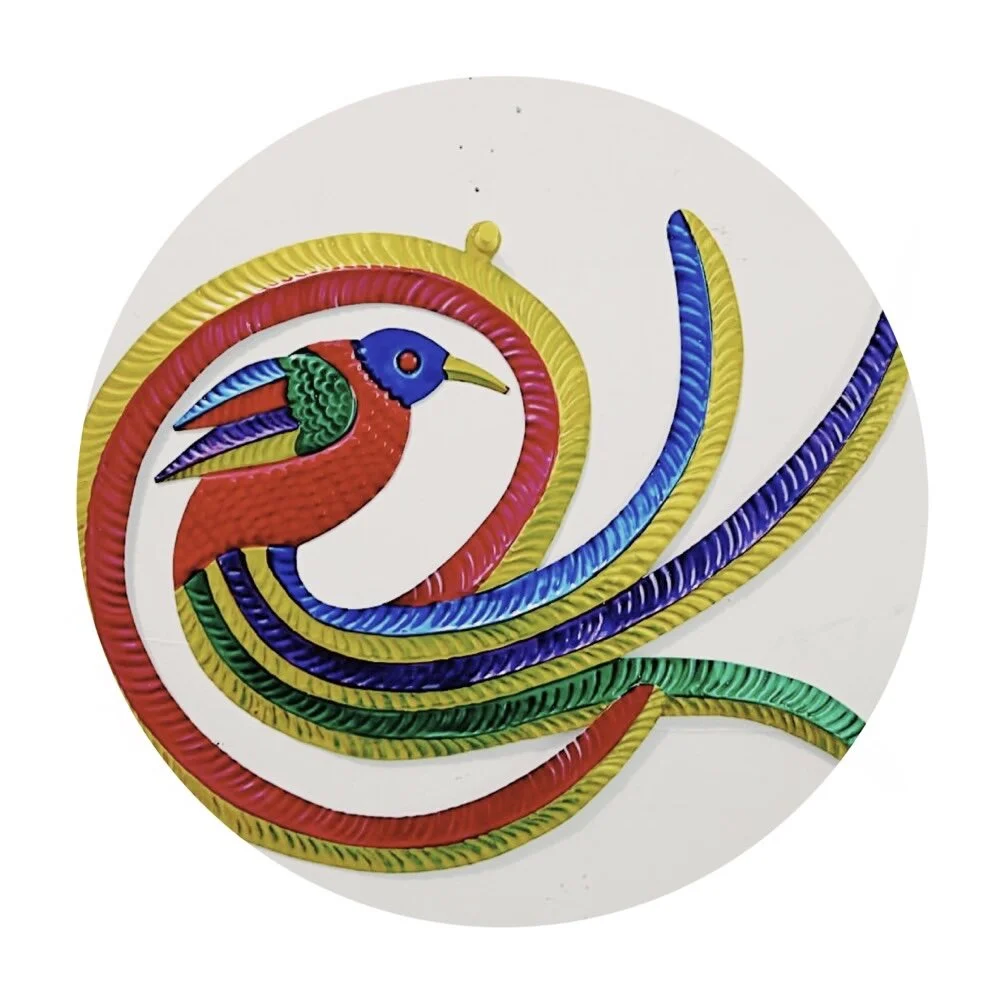
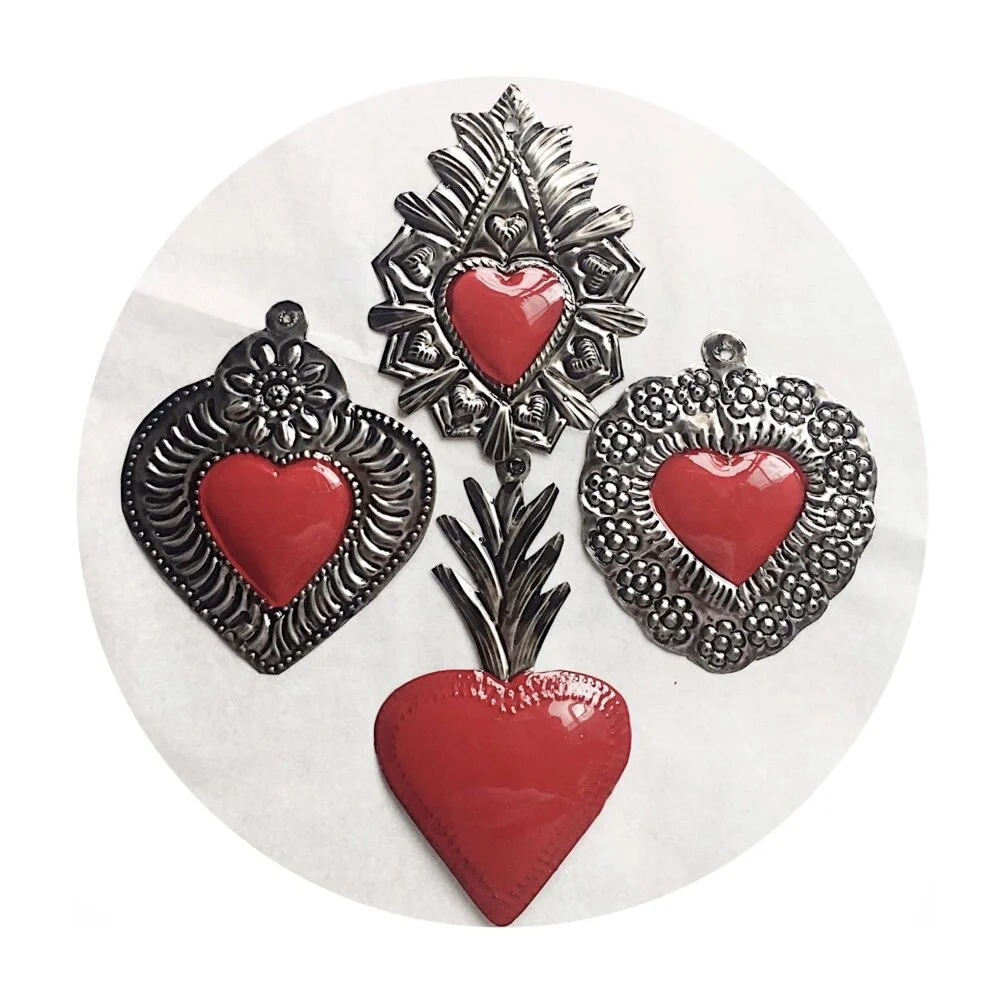
Este taller es familiar, el senor Cristino Lavariega, de Santa Maria Huatulco, Oaxaca tiene mas de 40 años trabajando la elaboracion de las artesanias y yo, Aida Aquino, de la Ciudad de Oaxaca, tengo mas de 30 años trabajando con Hojalata . Todas nuestras piezas son elaboradas una a una, de manera manual, y no se usa ningun tipo de maquinaria. En el proceso de elaboracion se usa martillo. Sobre un pedazo de tronco, se pone un plomo y se decora con cinceles, unetas, y una variedad de figuras que se mandan a hacer con un herrero. Todo es a base de golpe sobre un plomo con un martillo. Hay piezas que requieren de soldar, para eso es otro proceso; se utiliza un cautin, acido, soldadura, y gas.
Para nosotros es un orgullo poder elaborar este tipo de artesanias ya que son muy apreciadas, aunque nosotros no tenemos la oportunidad de viajar, nos satisface saber que nuestras piezas estan en muchos lugares, por ejemplo: Japon, Estados Unidos, Alemania, Australia, y seguramente por todo el mundo. Nuestras piezas fueron requeridas para las fiestas decembrinas en el Vaticano, y es por esto que cada pieza individual es elaborada con carino y entusiasmo. Aun asi, nuestro trabajo es pesado y toma mucho tiempo y energia - pero aun asi vale la pena.
Es de la venta de nuestro trabajo que podemos sacar adelante a nuestros hijos. Gracias por confiar en nosotros, y esperamos que les guste nuestro arte.
TALLER CORAZON MAGICO IS A FAMILY WORKSHOP lead by Mr. Cristino Lavariega, from Santa Maria Huatulco, Oaxaca has more than 40 years working in the elaboration of handicrafts and ME, Aida Aquino, from the City of Oaxaca, have more than 30 years working with Tinplate. All our pieces are elaborated one by one, manually, and no type of machinery is used. In the manufacturing process a hammer is used. On a piece of a TREE log, a lead is placed and decorated with chisels, joints, and a variety of figures. Everything is based on hitting a lead with a hammer. There are pieces that require welding, AND for THIS another process IS REQUIRED; a soldering iron, acid, solder, and gas are used.
WE FEEL PRIDE to be able to make this type of crafts since they are highly REGARDED, AND although we do not have the opportunity to travel, we are satisfied to know that our pieces are in many places, AMONG THEM: Japan, the United States, Germany, Australia, and surely all over the world. Our pieces were required for the Christmas holidays in the Vatican, and this is why each individual piece is made with love and enthusiasm. Still, our work is heavy and takes a lot of time and energy - but it's still worth it.
It is from the sale of our work that we can raise our children. Thank you for trusting us, and we hope you like our art.
SAN BARTOLO YAUTEPEC, OAXACA
MARISOL AGUSTIN
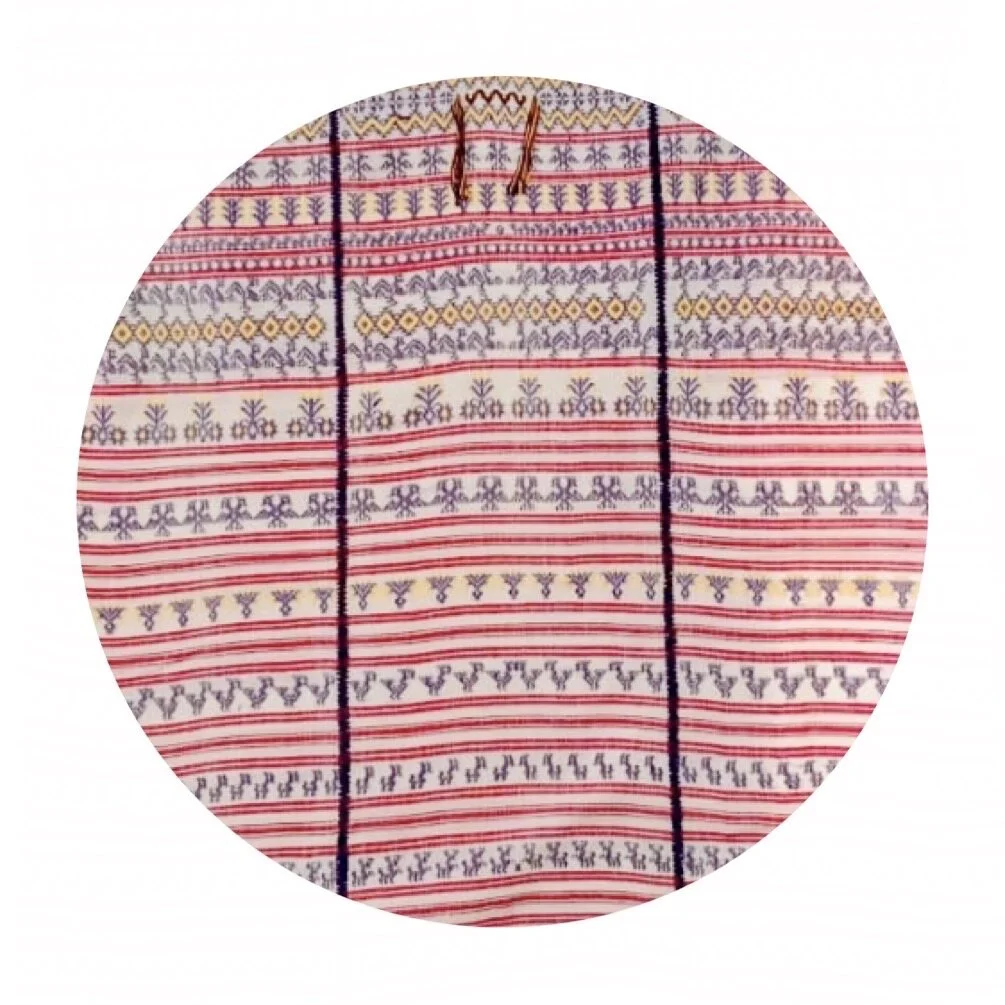
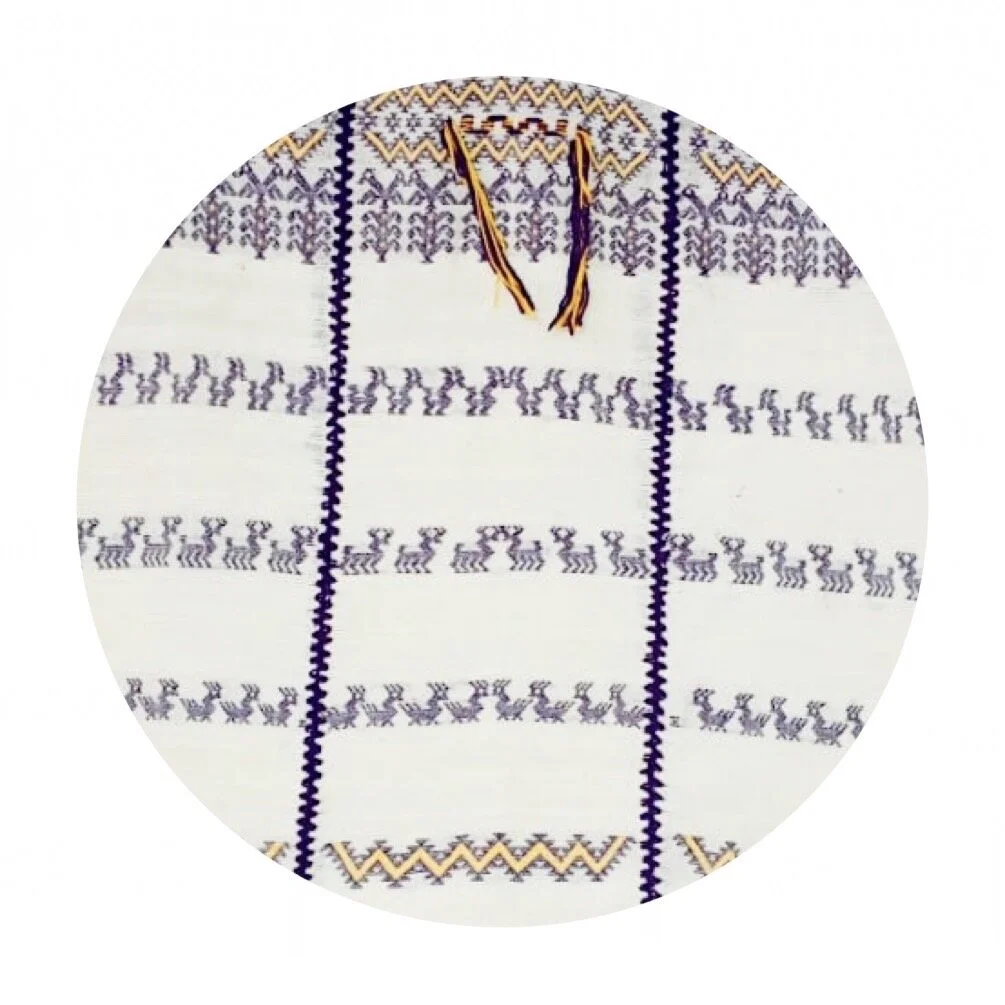
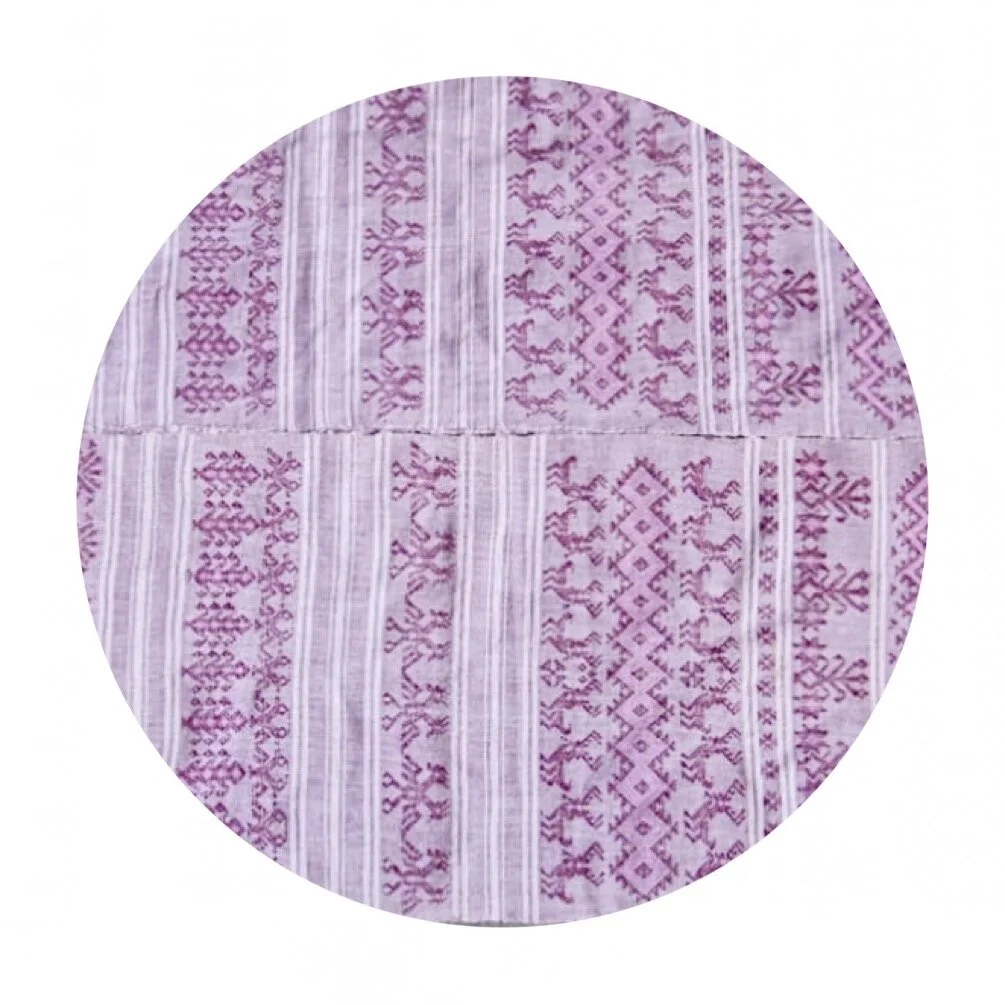
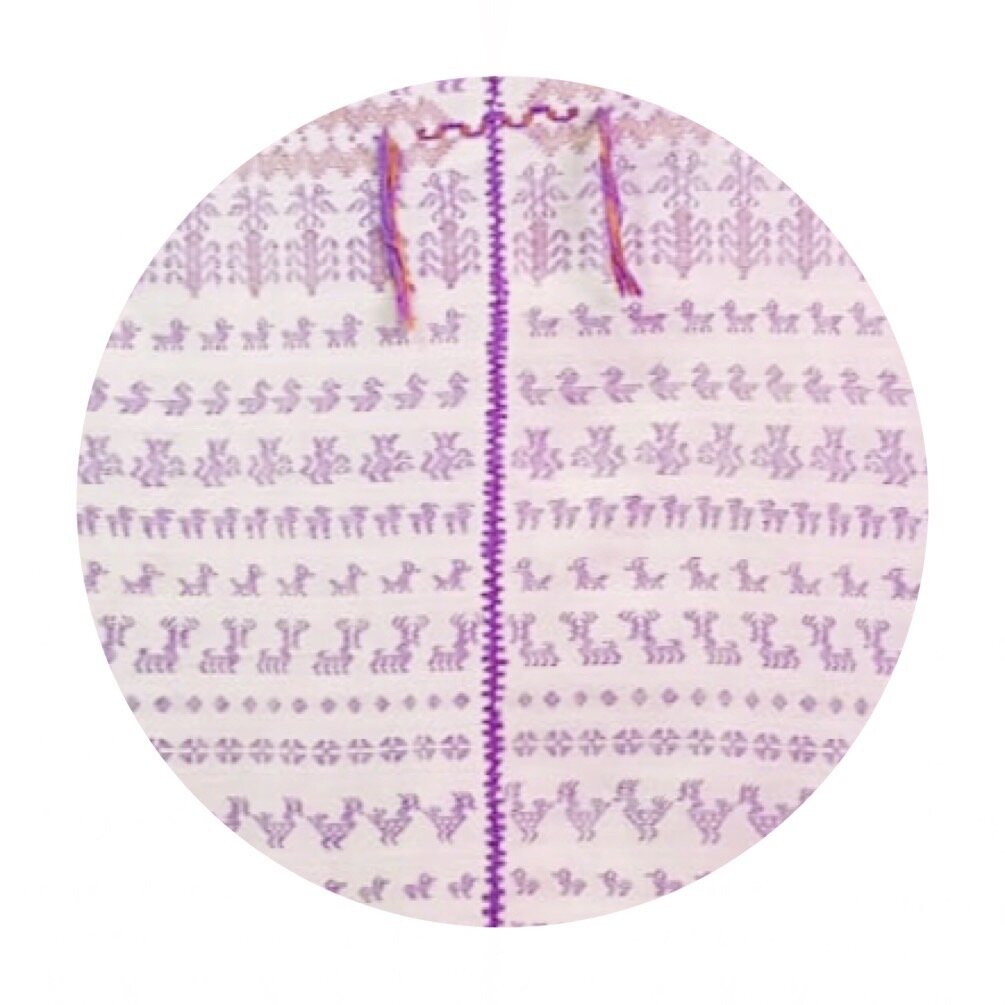
“Nosotros somos de San Bartolo Yautepec, Oaxaca. en la region Sierra Sur, somos un asentamiento que se derivo de la primera migración que hicieron nuestros ancestros de Monte Alban. Incluso hay algunas ruinas en nuestro territorio en el cerro denominado la muralla. Aqui se habla el idioma Zapoteco pero actualmente ya se esta perdiendo, tambien hace muy poco en la Iglesia, el INAH encontró un códice adivinatorias indígena sobre nuestro trabajo artesanal. Es telar de cintura el cual se necesita tres palos para amarrar los hilos, un machete de madera, un Carrizo corto, una orquetita en donde se amarra el blu ( hilo que se ocupa para entrelazar la urdimbre ) y dos palitos en donde se enredan los hilos en uno hilo grueso (yol) y en otro hilo delgado. El trabajo ya terminado seria de tres lienzos que se unen por una randa bordada con hilos de madeja, material con el que también se remata el escote, bajo la abertura del cuello se pone un adorno transversal que deriva de la trencilla de tramas entrelazadas el cual se le denomina raton (mdin en zapoteco) este adorno data de la época prehispánica, como puede observarse en los códices y hallazgos arqueológicos. Ademas el diseño de las figuras esta hecho con técnica de bocados con hilos de madeja en tonos de morado y grana, los pequeños motivos representan pájaros y Águilas bicefalas, animales que hacen cabriolas como la víbora de cascabel, plantas estilizadas, milpas, pinos y macetas. Elementos geométricos como estrellas de ocho picos, grecas con bordes dentados dispuestos en angostas franjas horizontales, gallos, gallinas, gavilanes. (Chivos y costoches inspirados los dos en el leon de la heráldica hispana) rombos. Girasol. Estribu. Espiguilla. Es por esto que este trabajo se elabora minuciosamente y perfecto y es el mas fino en mexico y probablemente en el continente americano. Los brocados antes eran hechos con hilos de seda silvestre teñida con cochinilla pero ahora la seda es muy cara. Pero igual se puede hacer solo que el cliente tiene que comprar la seda.”
“We are from San Bartolo Yautepec, Oaxaca. In the Sierra Sur region, we are a settlement that arose from the first migration that our ancestors made from Monte Alban. There are even some ruins in our territory on the hill called the wall. Here the Zapotec language is spoken but at the moment it is already being lost, also very recently in the Church, the INAH found an indigenous divinatory codex. about our artisan work. It is a backstrap loom which requires three sticks to tie the threads, a wooden machete, a short reed, a little orchette where the blu is tied (thread that is used to interlace the warp) and two sticks where the threads in one thick thread (yol) and in another thin thread. The finished work would be of three canvases that are joined by a row embroidered with skein threads, a material with which the neckline is also finished, under the neck opening a transverse ornament is placed that derives from the braid of interlaced wefts which It is called a mouse (mdin in Zapotec). This ornament dates from pre-Hispanic times, as can be seen in the codices and archaeological finds. In addition, the design of the figures is made with the technique of bites with skein threads in shades of purple and scarlet, the small motifs represent birds and double-headed Eagles, animals that make capers like the rattlesnake, stylized plants, cornfields, pines and pots . Geometric elements such as eight-pointed stars, frets with jagged edges arranged in narrow horizontal stripes, roosters, hens, hawks. (Chivos and costoches both inspired by the lion of Hispanic heraldry) rhombuses. Sunflower. Estribu. Spikelet. This is why this work is elaborated meticulously and perfectly and is the finest in Mexico and probably in the American continent. Brocades used to be made with cochineal-dyed wild silk threads, but now silk is very expensive. But the same can be done only that the client has to buy the silk.”
2020-2021
TONALA, JALISCO
LA TAPATIA:::SONIA LOPEZ
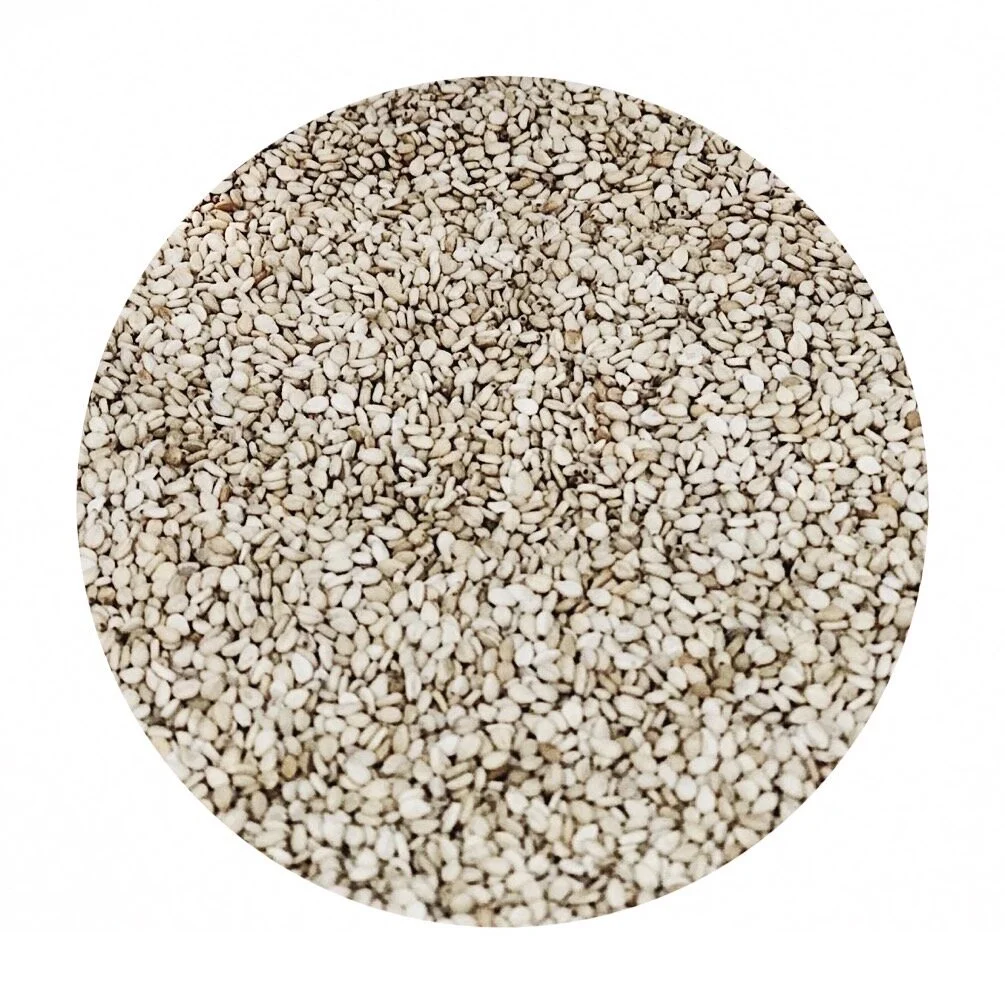
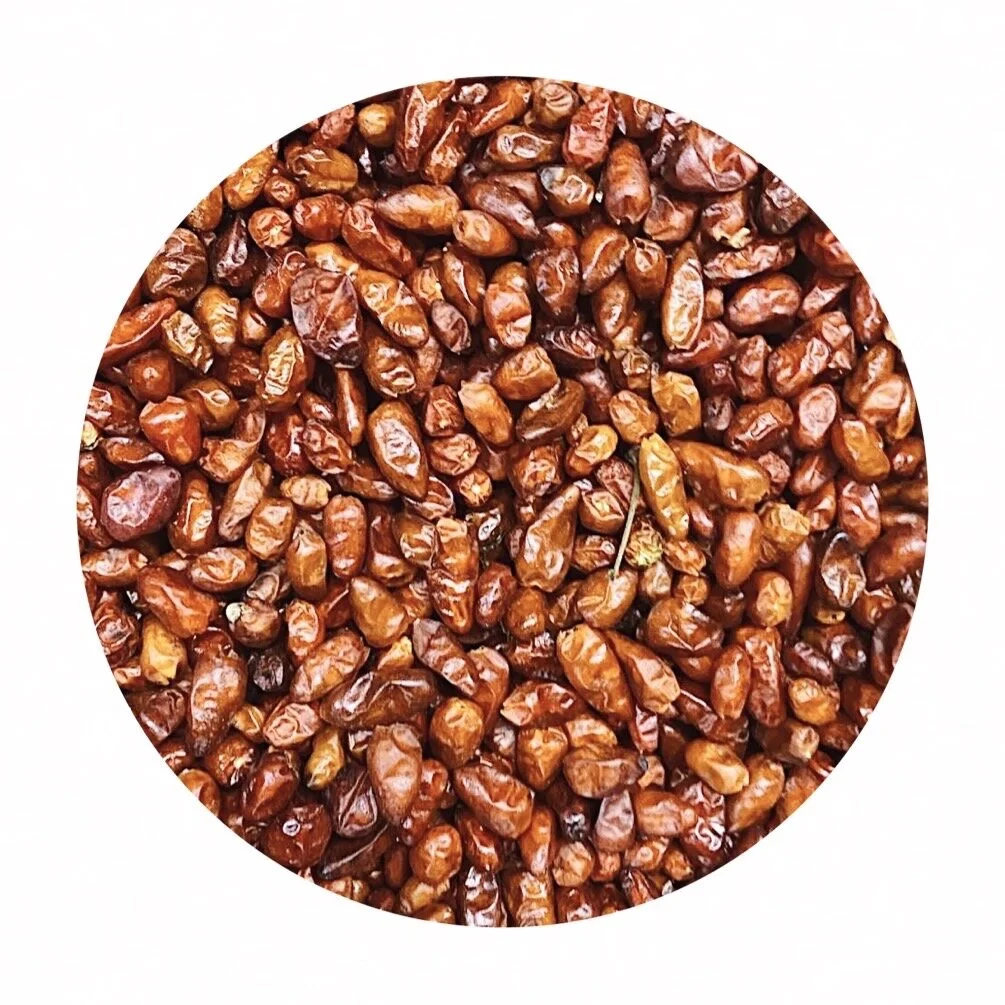
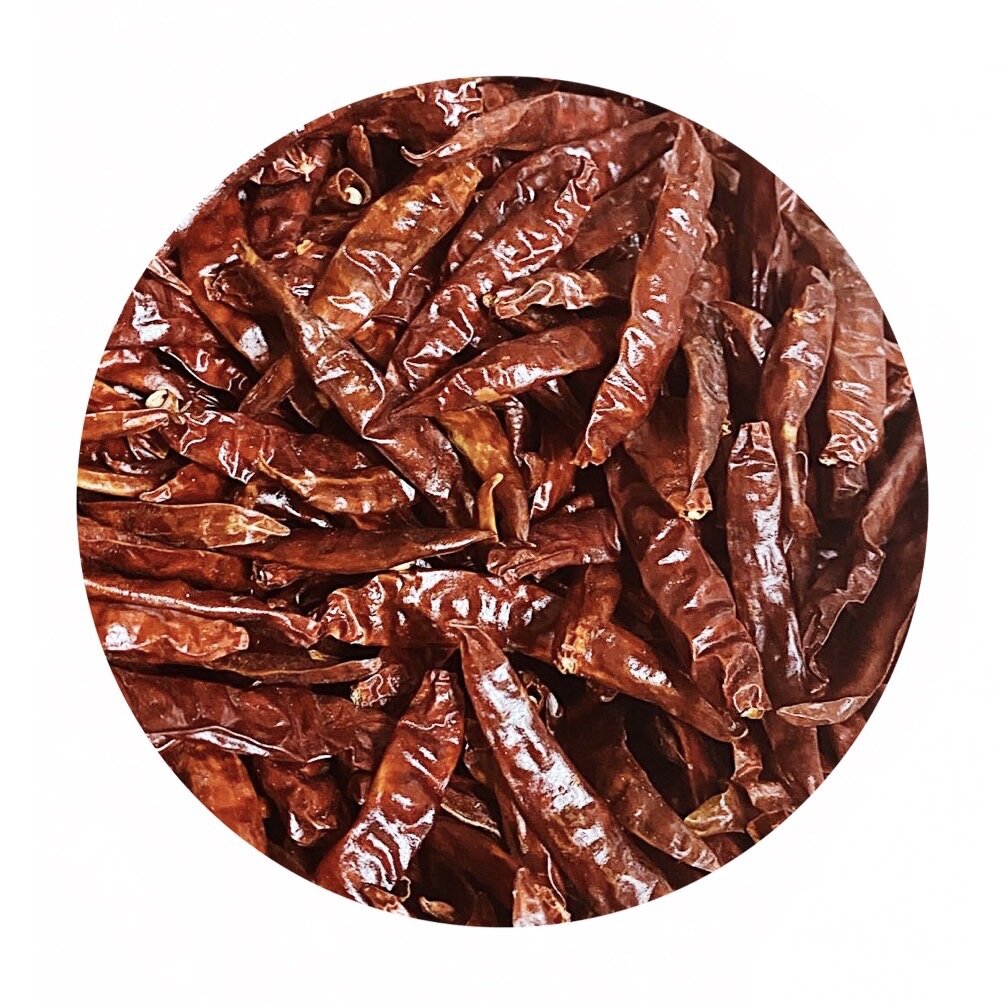
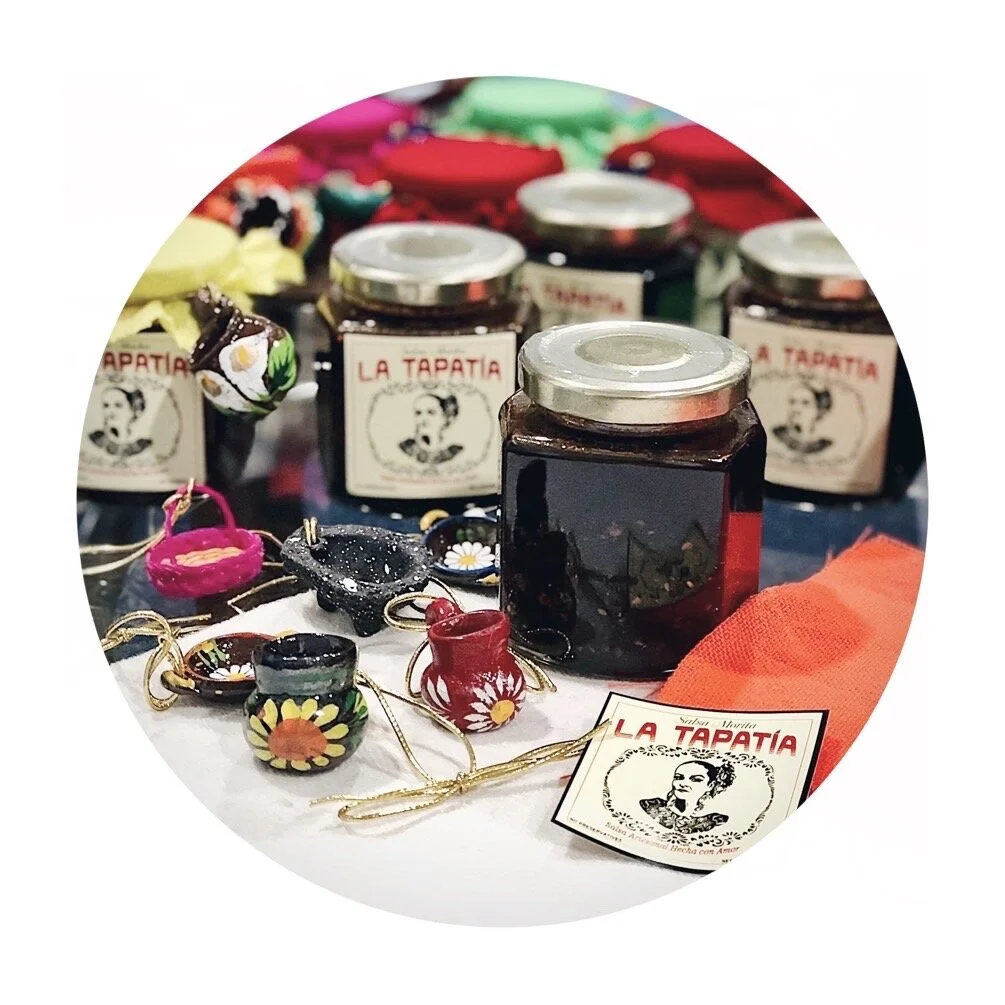
“Soy de Tonala, Jalisco, un lugar con muchos artesanos y alfarería. Se trabaja el barro , vidrio soplado y repujado entre otras cosas, pero si algún día conoces verás que es un lugar donde encuentras todo tipo de artesanía y muebles muy rústicos con muchos colores. Soy la hermana mayor de 5 hermanos. Mi mamá enviudo cuando yo tenia 16 años, y ella decidió traernos a Estados Unidos ya que era difícil para ella criar sola a sus 6 hijos. Ahora trabajo limpiando casas y preparando las salsas. Tengo mis tres hijos a los cuales les quiero enseñar que para ser alguien en la vida se debe se trabajar duro y nunca dejar de ser o sentir la humildad que aunque sean de aquí deben de tener ese sentimiento para sus raíces y que no se avergüence jamás de venir de padres mexicanos. Me gusta que se involucren en la música y en el folklore porque es lo más cercano a mis raíces como jalisciense que soy, y se que les gusta. ”
“I am from Tonala, Jalisco, a place with many artisans and pottery.They work with clay, blown glass and embossing - among other things, but if one day you know you will see that it is a place where you find all kinds of crafts and very rustic furniture with many colors. I am the eldest sister of 5 siblings. My mother was widowed when I was 16 years old, and she decided to bring us to the United States since it was difficult for her to raise her 6 children alone. Now I work cleaning houses and preparing the artesanal salsas. I have my three children to whom I want to teach that to be someone in life, you must work hard and never stop feeling humility, that even if they are from here (the US), they must have that feeling for their roots and that they never be ashamed to come from Mexican parents. I encourage and fully support their involvement in music and folklore, because it is the closest to my roots as a Jalisciense (Jalisco native) that I am, and I know they like it.”
2020-2021
ZACOALPAN, GUERRERO
TEXTILES ZACOALPAN
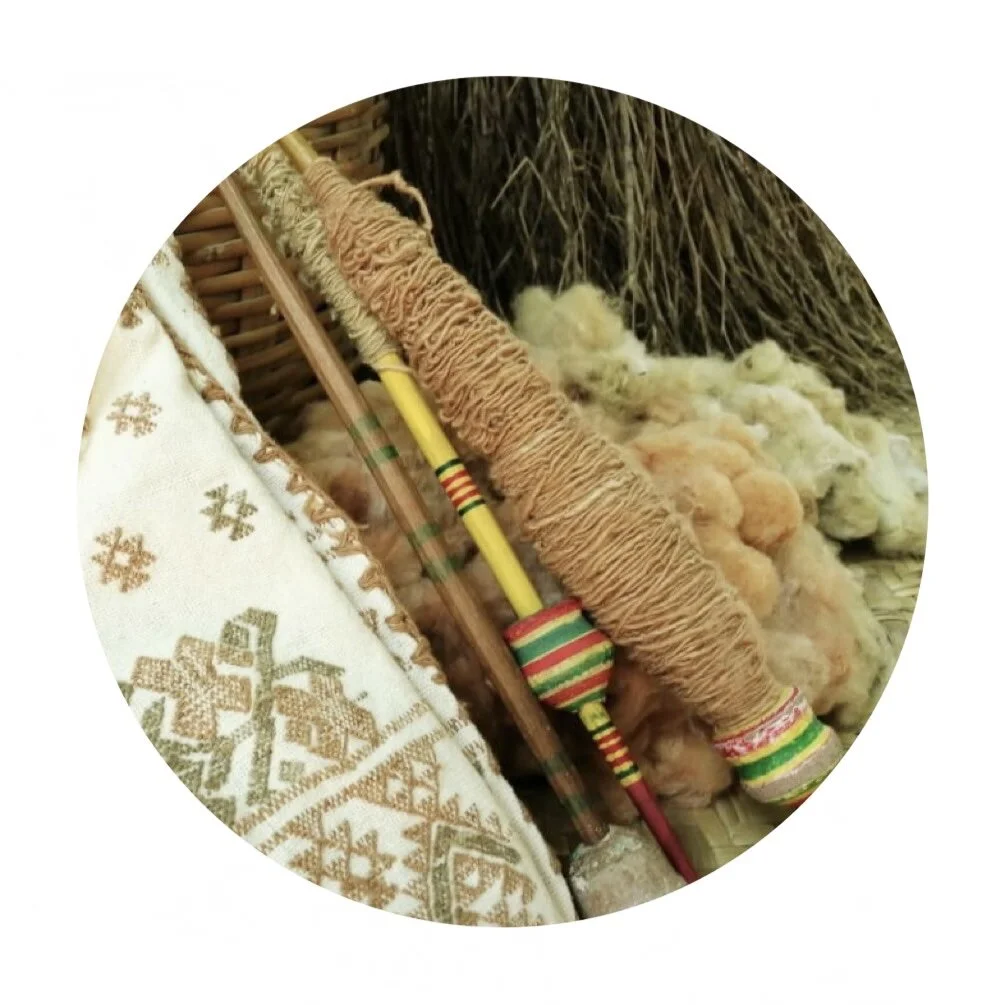
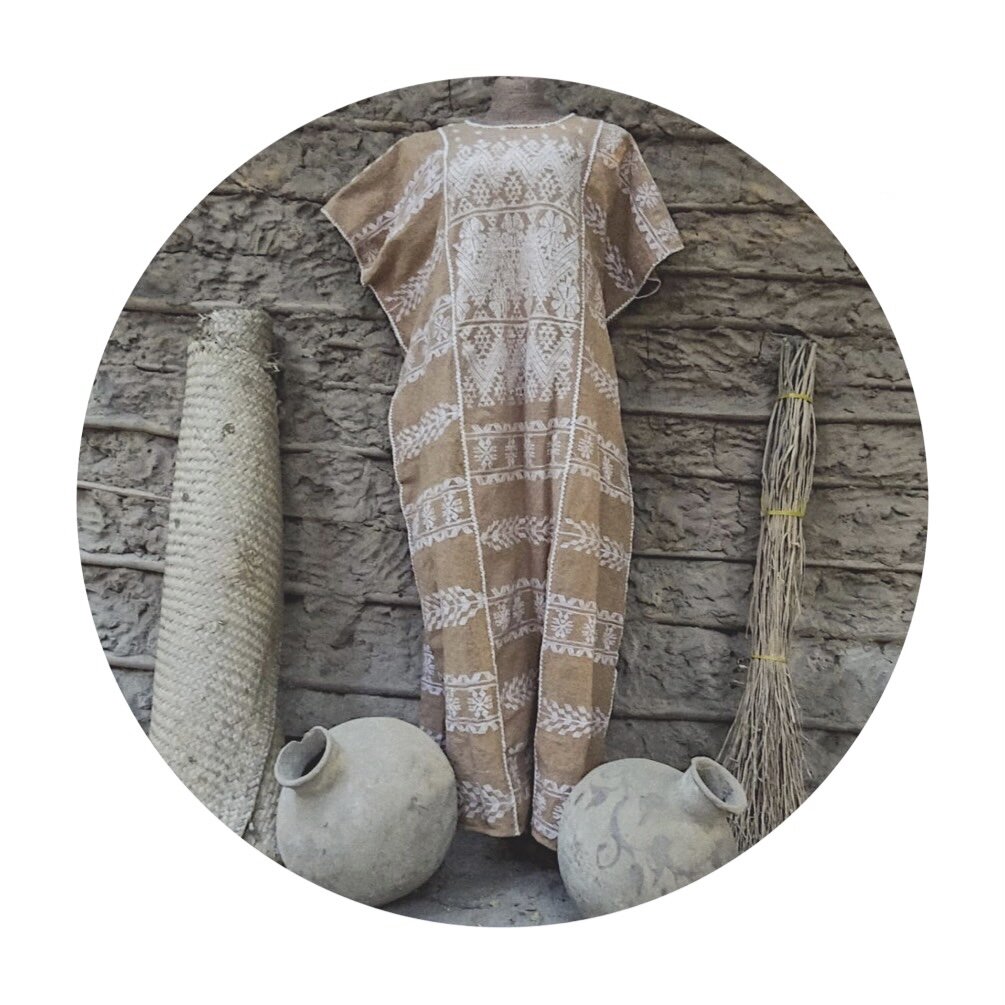
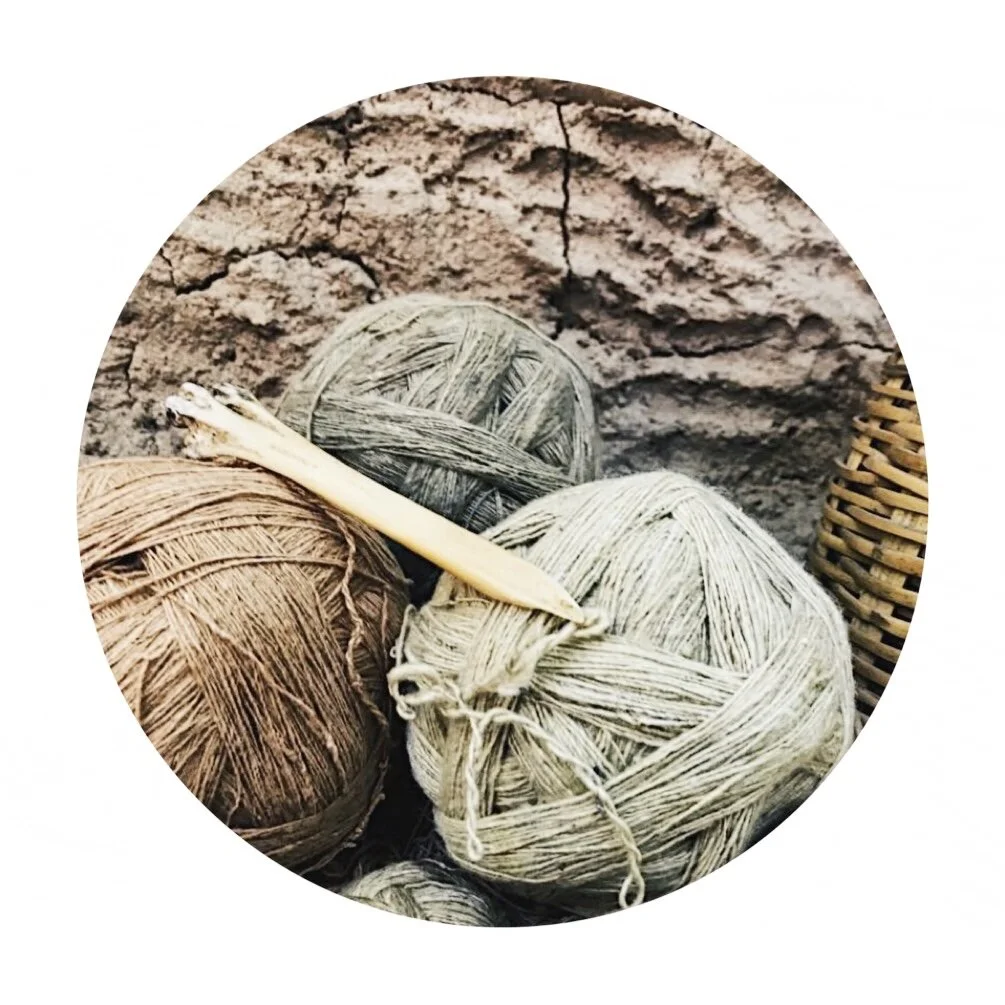
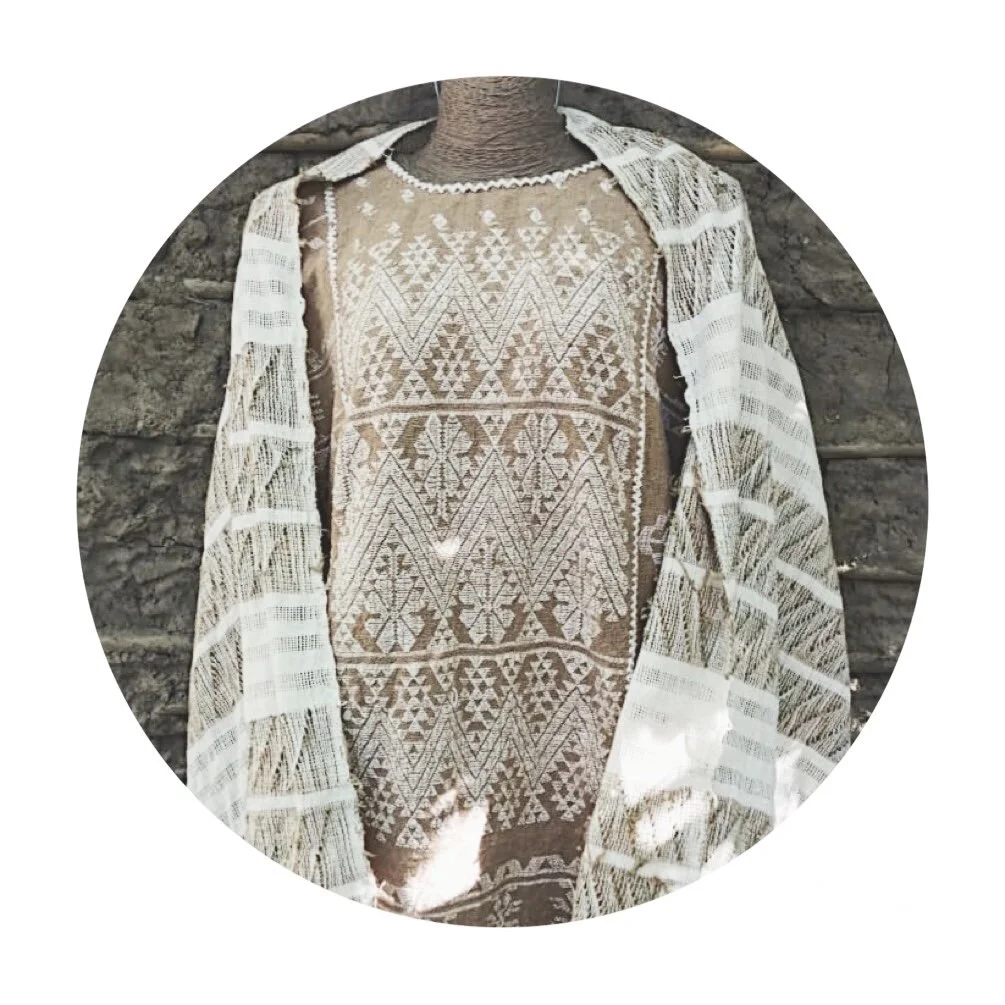
“Patrimonio cultural inmaterial de Zacoalpan. Fondo de la fotografía de casa hecho con tierra (lodos). Es conocido como casa de jaulilla. Representación de las primeras casas vernácula que habitaron los ancestros
amuzgos. La foto trata de describir la vida de nuestro ancestro a los largo de tiempo.
Cántaros: barros que fueron usado para contener agua en la consiga.
Petate es aquél que se usa para dormir, secar semillas etc..
Escoba de ramas es con aquella que hacían.”
“Intangible cultural heritage of Zacoalpan. The second photograph (above) shows our homes made with earth (mud). It is known as casa de caulilla. Representation of the first vernacular houses that our Amuzgo ancestors inhabited. The photo tries to describe the life of our ancestors over time. Pitchers: made with mud and clays that were used to contain water. Petate is the one used to sleep, dry seeds, etc. The Branch broom is the one that our Amuzgo ancestors also made and utilized.”
TEOTITLAN DEL VALLE, OAXACA
FAMILIA LAZO
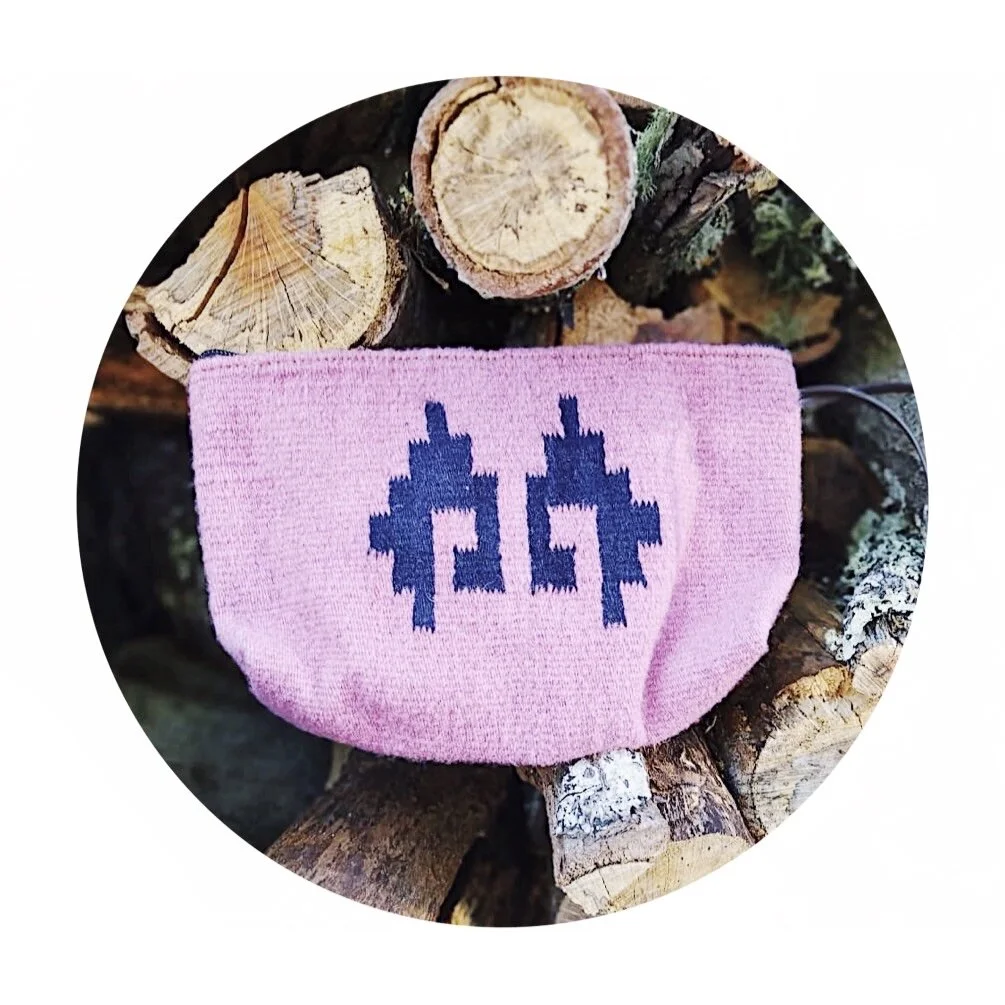
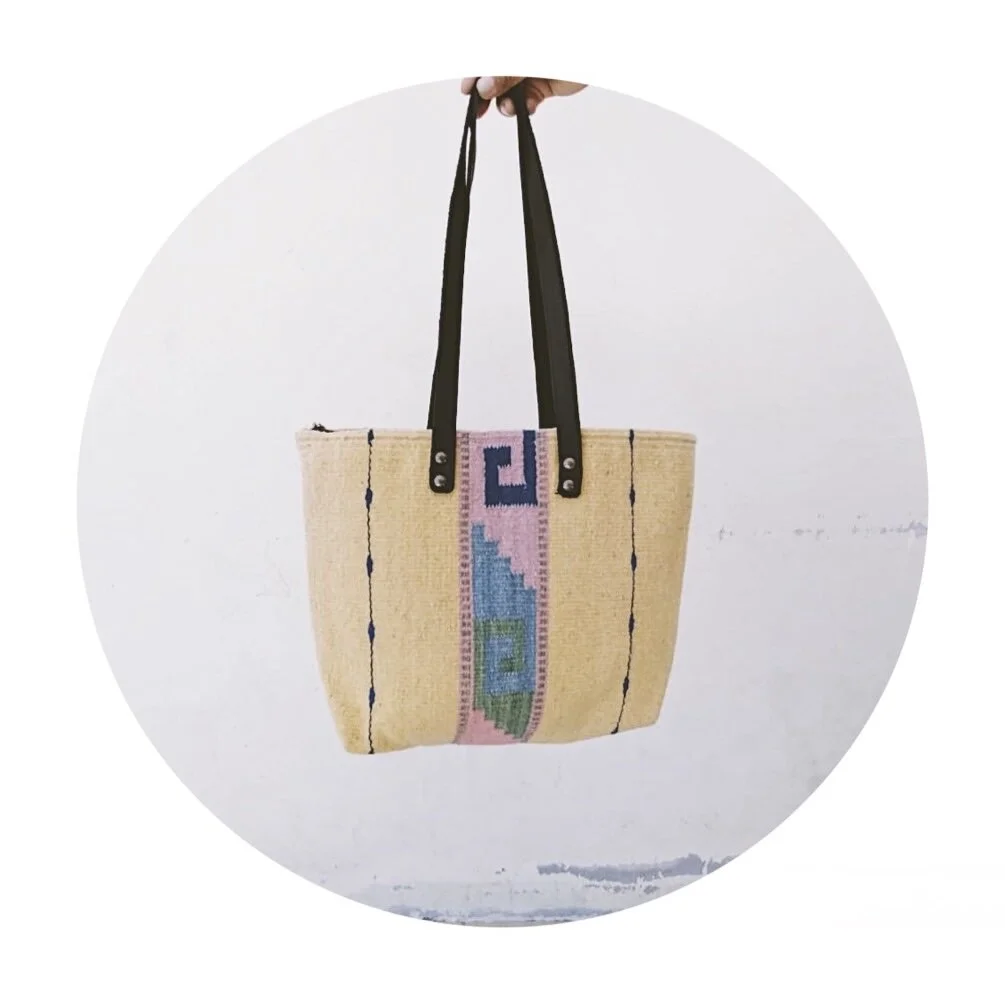
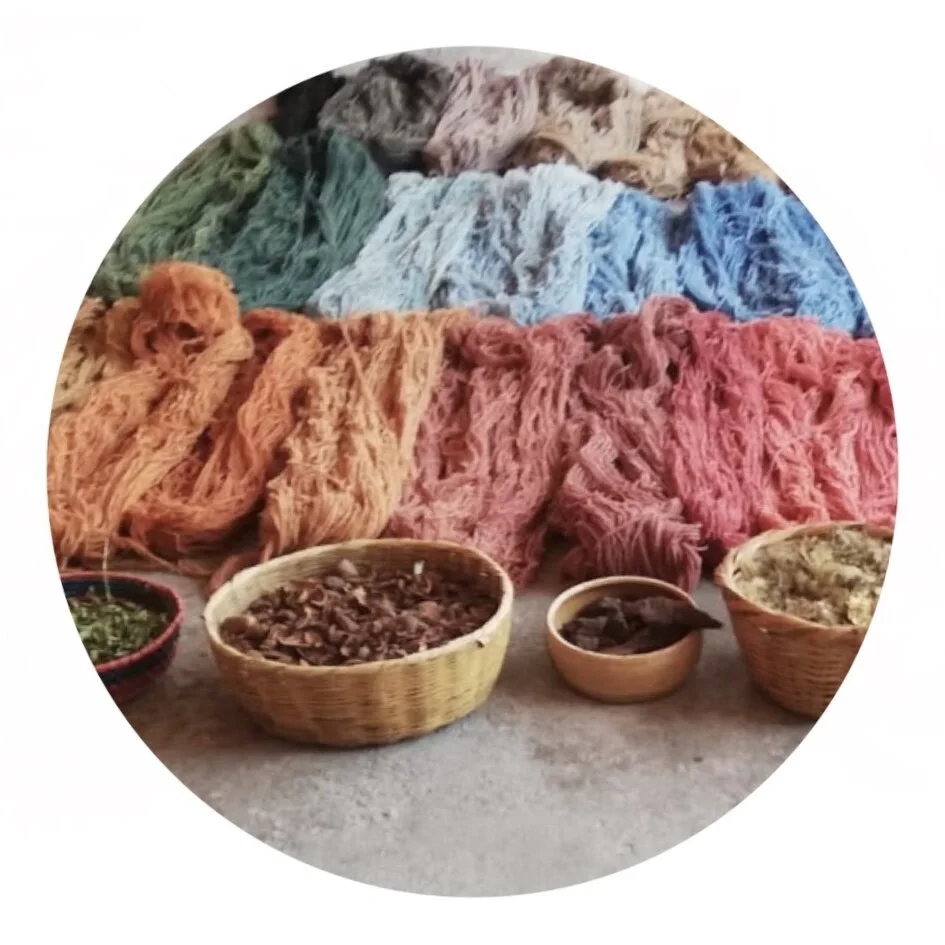
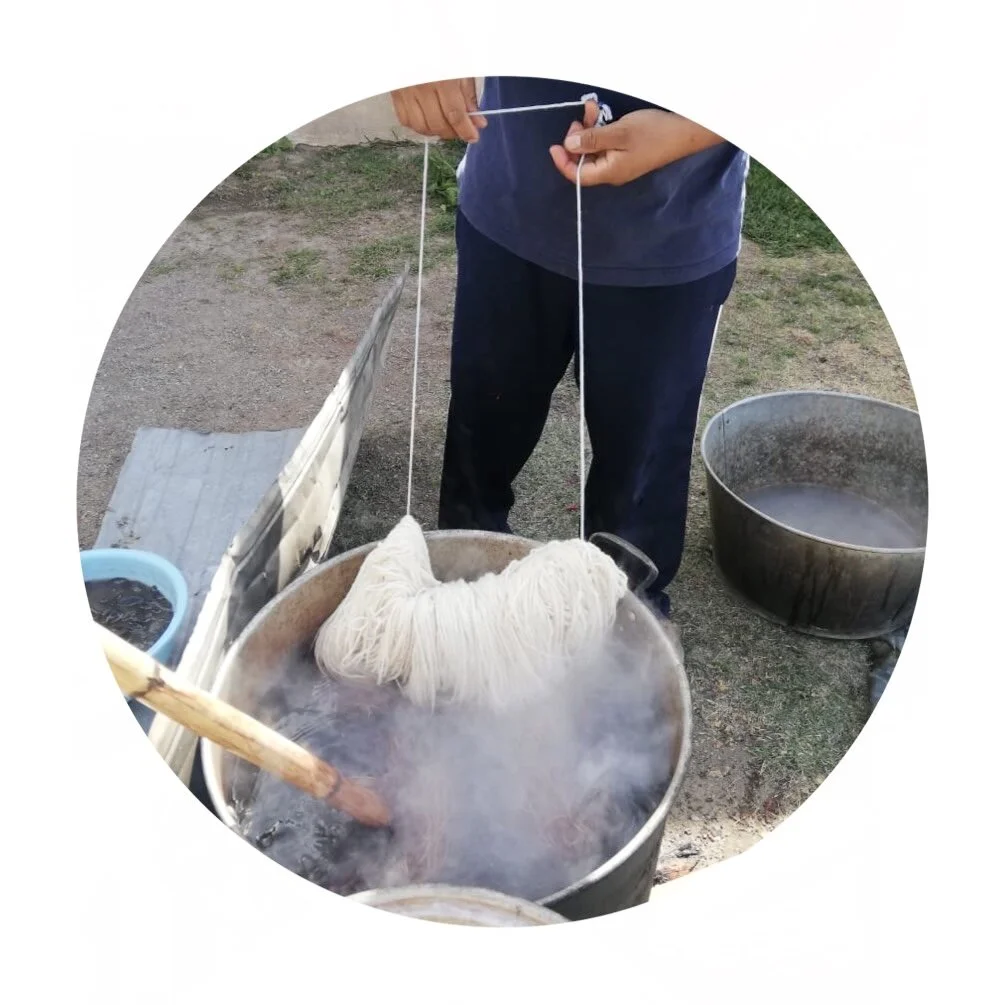
Mi nombre es Esmirna y soy originaria de Teotitlan del Valle, Oaxaca. Nosotros hacemos todo el proceso desde el teñido, el tejido, la confección de cada producto, lo elaboramos nosotros, entonces podemos dar un precio accesible para poder promover y vender nuestra artesanía.”
“My name is Esmirna and I am from Teotitlan del Valle, Oaxaca, we OVERSEE the entire process from dyeing WITH NATURAL PIGMENTS, weaving, DESIGNING each product. we make it ALL ourselves, so we can give an accessible price to promote and sell our crafts.”
2020